

No products in the cart.
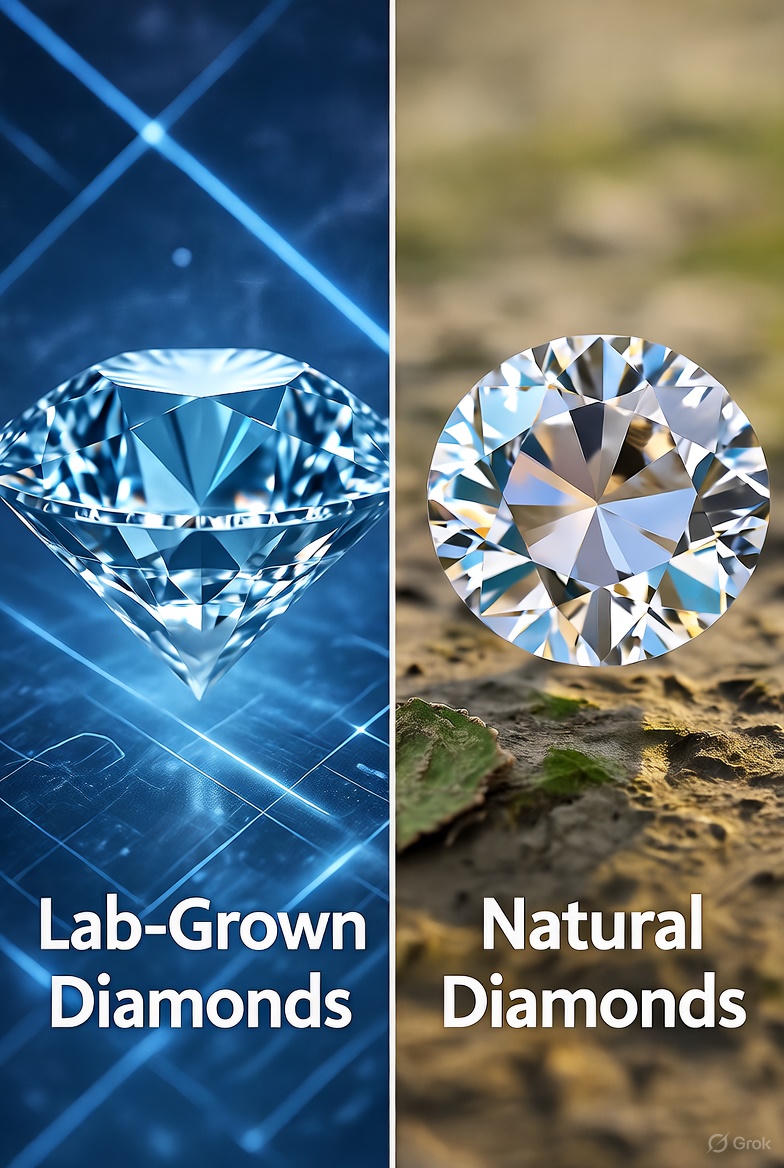
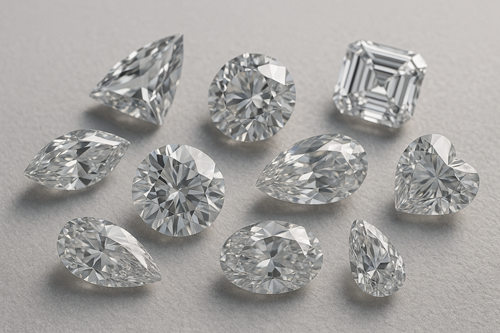
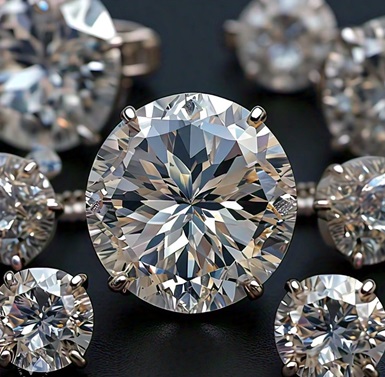
Diamonds, renowned for their brilliance and durability, have long been coveted as precious gemstones. In recent years, the emergence of lab-grown diamonds has disrupted the market. These synthetic diamonds are created in a controlled laboratory environment, replicating the natural conditions under which natural diamonds form. While lab-grown and natural diamonds share the same chemical composition, their origins and characteristics differ significantly.
Natural Diamonds
Natural diamonds have been formed deep within the Earth’s mantle for millions of years. They are subjected to extreme pressure and temperature, resulting in their unique crystalline structure. Natural diamonds’ rarity and time-consuming extraction process contribute to their high price.

Natural Diamonds
- Symbol of Tradition: For centuries, natural diamonds have been associated with love, commitment, and luxury.
- Investment Potential: Natural diamonds can be considered investments due to their rarity and historical value.
- Ethical Considerations: While the diamond mining industry has faced ethical concerns, advancements in responsible sourcing practices have improved the reputation of natural diamonds.
Disadvantages of Natural Diamonds:
- High Cost: Natural diamonds are generally more expensive than lab-grown diamonds due to their rarity and the associated mining costs.
- Ethical Concerns: Some consumers may be concerned about the environmental impact of diamond mining and the potential for conflict diamonds.
Lab-Grown Diamonds
Lab-grown diamonds are created in a laboratory using chemical vapour deposition (CVD) or high-pressure, high-temperature (HPHT) synthesis. These methods replicate the conditions under which natural diamonds form, resulting in diamonds with identical physical properties.
Advantages of Lab-Grown Diamonds:
- Lower Cost: Lab-grown diamonds are typically more affordable than natural diamonds due to the shorter production time and reduced overhead costs.
- Ethical Considerations: Lab-grown diamonds offer a more ethical alternative as they do not involve the environmental impact or potential for conflict associated with natural diamond mining.
- Sustainability: Lab-grown diamonds can be produced with a significantly lower carbon footprint than natural diamonds.
Choosing the Right Diamond
The decision between a lab-grown or natural diamond ultimately depends on personal preferences, budget, and ethical considerations. Both types of diamonds offer unique advantages and disadvantages. It is essential to consider factors such as the diamond’s cut, colour, clarity, carat weight, and the overall value and symbolism associated with the gemstone.
Ultimately, the best diamond is the one that brings joy and satisfaction to the wearer. Whether it is a lab-grown or natural diamond, the most important aspect is the sentiment and love behind the choice.
For more information and to set up a meeting with Robin, don’t hesitate to contact us at +61 2 9267 5409 or visit foreverbytemptation.com.au/contact-us.