
No products in the cart.
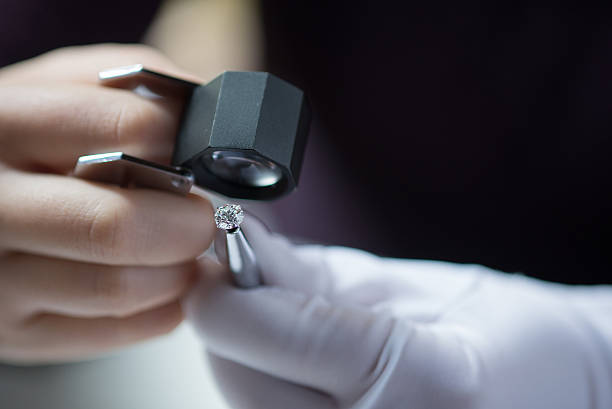

Diamonds have captivated hearts for centuries, symbolising love, luxury, and enduring brilliance. But beneath the sparkle lies a fascinating geological diversity and world of global sourcing. This guide delves into the different types of diamonds, explores the captivating locations where they originate, and equips you with the knowledge to appreciate these natural wonders.
Types of Diamonds
- Cubic Zirconia (CZ): Often mistaken for diamond and used for imitations, CZs are man-made simulants that boast exceptional brilliance at a fraction of the cost. Their flawless appearance makes them a popular choice for everyday jewellery.
- Moissanite: It is a naturally occurring gemstone but also very rare. Most moissanite on the market is created in labs with a fiery brilliance that surpasses diamonds under certain lighting conditions. Moissanite’s rarity and durability make it a coveted alternative.
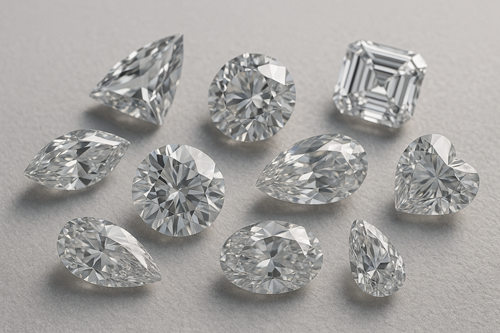
- White Diamonds: The classic diamond we envision, coveted for its colourless brilliance. White diamonds are graded on the GIA colour scale, with D being the most colourless and valuable.
- Fancy Colour Diamonds: Nature’s artistry shines through in these rare diamonds. Colours like yellow, pink, blue, and green can occur due to trace elements during formation, making them prized for their unique beauty.
- Black Diamonds: Not genuinely black, but possessing a deep, opaque colour with a mysterious lustre. Black diamonds are often cut in unique, contemporary styles, adding a touch of drama to jewellery.
Source of Diamonds
The journey of a diamond begins deep within the Earth’s mantle, under extreme pressure and heat. Millions of years later, volcanic eruptions or kimberlite pipes bring these treasures closer to the surface, where they can be mined. Here’s a glimpse into some of the world’s prominent diamond sources:
- Australia: Australia has a rich history of diamond mining, with discoveries dating back to the 1800s. However, Australia’s most significant diamond source is the Argyle Mine, located in the East Kimberley region of Western Australia.
- Russia: A historical leader in diamond production, Russia’s remote mines in Siberia yield a significant portion of colourless diamonds.
- Botswana: Renowned for its ethical mining practices, Botswana is a significant source of high-quality diamonds, contributing significantly to the global market.
- Canada: The Canadian Arctic boasts some of the world’s largest diamond mines, known for their commitment to sustainability and conflict-free diamonds.
- South Africa: The country where diamonds were first discovered in abundance, South Africa continues to be a significant producer, with mines like Kimberley holding historical significance.
- Angola: A rising star in diamond production, Angola is emerging as a major supplier of rough diamonds with significant potential for the future.
Choosing the Perfect Diamond
Understanding diamond types, origins, and certifications empowers you to make informed decisions when selecting a diamond. Consider factors like the 4Cs (Cut, Colour, Clarity, and Carat weight) to find a diamond that reflects your style and budget. Additionally, reputable jewellers, like Robin Sobel, can provide guidance on ethically sourced diamonds, ensuring your purchase aligns with responsible practices.