
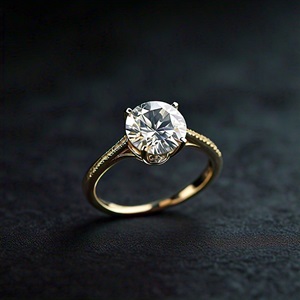

A bigger diamond is not always the better buy. When you are choosing an engagement ring, anniversary gift, or diamond piece to wear for years, the smartest budget-friendly diamond strategies are those that prioritise beauty first and trim costs where they matter least.
That is where expert guidance makes a real difference. A well-bought diamond should look impressive in natural light, suit the design it will be set into, and hold its appeal long after the moment of purchase. Budget-conscious buying is not about lowering standards. It is about understanding which qualities deliver visible impact and which can quietly increase price without giving you much in return.
What budget-friendly diamond strategies really mean
For fine jewellery, value is rarely about chasing the lowest ticket price. It is about proportion, cut performance and selecting the right balance of colour, clarity and carat weight for the specific piece.
A diamond can look bright, lively and beautifully white without sitting at the very top of every grading scale. In many cases, moving slightly in one category can improve another area that is more obvious to the eye. That is often the difference between a purchase that simply looks expensive on paper and one that genuinely looks exceptional when worn.
Start with cutting before anything else
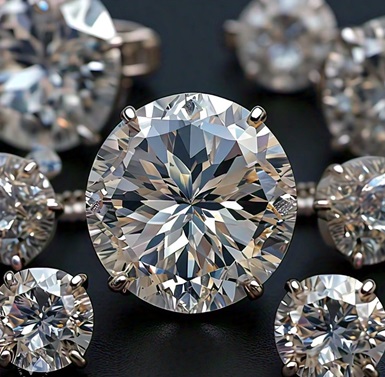
If there is one area worth protecting, it is cut. Cut has the strongest influence on sparkle, light return and overall presence. A smaller diamond with excellent cut can appear more brilliant than a larger stone with weaker proportions.
This is particularly important for solitaire engagement rings and diamond pendants, where the centre stone does most of the visual work. Compromising too heavily on cut to reach a larger carat weight can leave a diamond looking flat or glassy. For buyers working to a defined budget, it is usually wiser to hold firm on the cut and find savings elsewhere.
Round brilliant diamonds often command a premium because they waste more rough during cutting and remain the benchmark for sparkle. If your goal is maximum brilliance and classic appeal, that premium can still be worthwhile. If your goal is visual size per dollar, other shapes may offer better value.
Be flexible on shape for better value
One of the most effective budget-friendly diamond strategies is to look beyond the standard round brilliant. Fancy shapes such as ovals, pears, marquises, and emerald cuts can offer a larger face-up appearance for the same spend.
Oval and marquise diamonds are especially popular with buyers who want finger coverage and elegance without stretching the budget too far. Pear shapes can feel distinctive and refined, while emerald cuts appeal to those who prefer clean lines and understated luxury. The trade-off is that each shape behaves differently with light, and some will show inclusions or colour more readily than others.
That is why shape should never be chosen on price alone. An elongated shape may look larger, but it also needs balanced proportions and a setting that properly supports its outline. A good diamond specialist will help you judge whether the shape is giving you genuine value or simply more surface area with weaker overall performance.
Use colour and clarity strategically
Many buyers assume higher colour and clarity grades always mean a better result. In reality, much depends on the diamond’s size, shape and setting style.
With colour, there is often room to move without sacrificing visual whiteness. In white gold or platinum settings, shoppers may prefer to stay in a higher near-colourless range, especially for larger centre stones. In yellow or rose gold, a slightly warmer diamond can still look beautifully bright once set. That makes metal choice part of the value conversation, not just a style decision.
Clarity is another area where smart buying can stretch a budget. A diamond does not need an extremely high clarity grade to appear clean to the naked eye. For many buyers, an eye-clean stone represents the sweet spot. You are paying for what you can actually enjoy, rather than microscopic characteristics that do not affect everyday beauty.
The exception is step-cut shapes such as emerald and Asscher cuts, which tend to reveal inclusions more easily because of their open facets. In those cases, clarity deserves more attention. With brilliant-cut shapes, there is usually greater flexibility.
Think carefully about carat weight thresholds
Certain carat weights attract sharper price jumps because they sit on popular milestones, such as 0.50ct, 1.00ct, 1.50ct and 2.00ct. Choosing a diamond just below these marks can deliver a noticeable saving without affecting appearance.
A 0.90ct diamond, for example, may look very similar to a 1.00ct once set, particularly if it has excellent cut and a flattering shape. The same principle can apply across many weight categories. These small shifts are not dramatic on a certificate, but they can be meaningful in the final budget.
This approach works best when paired with careful measurement of face-up size rather than just carat weight. Two diamonds with similar weight can look quite different depending on their proportions. What matters is how large and lively the stone looks when viewed from above.
Let the setting do some of the work
A smart setting can make a diamond appear larger, brighter and more distinctive. Halo designs, finer bands, hidden halos and well-balanced claws can all influence perceived size and presence.
This does not mean every buyer should choose a halo ring. Some prefer the quiet confidence of a solitaire, and that timeless look remains one of the strongest investments in fine jewellery. But it does mean the setting should be part of your budget strategy from the beginning.
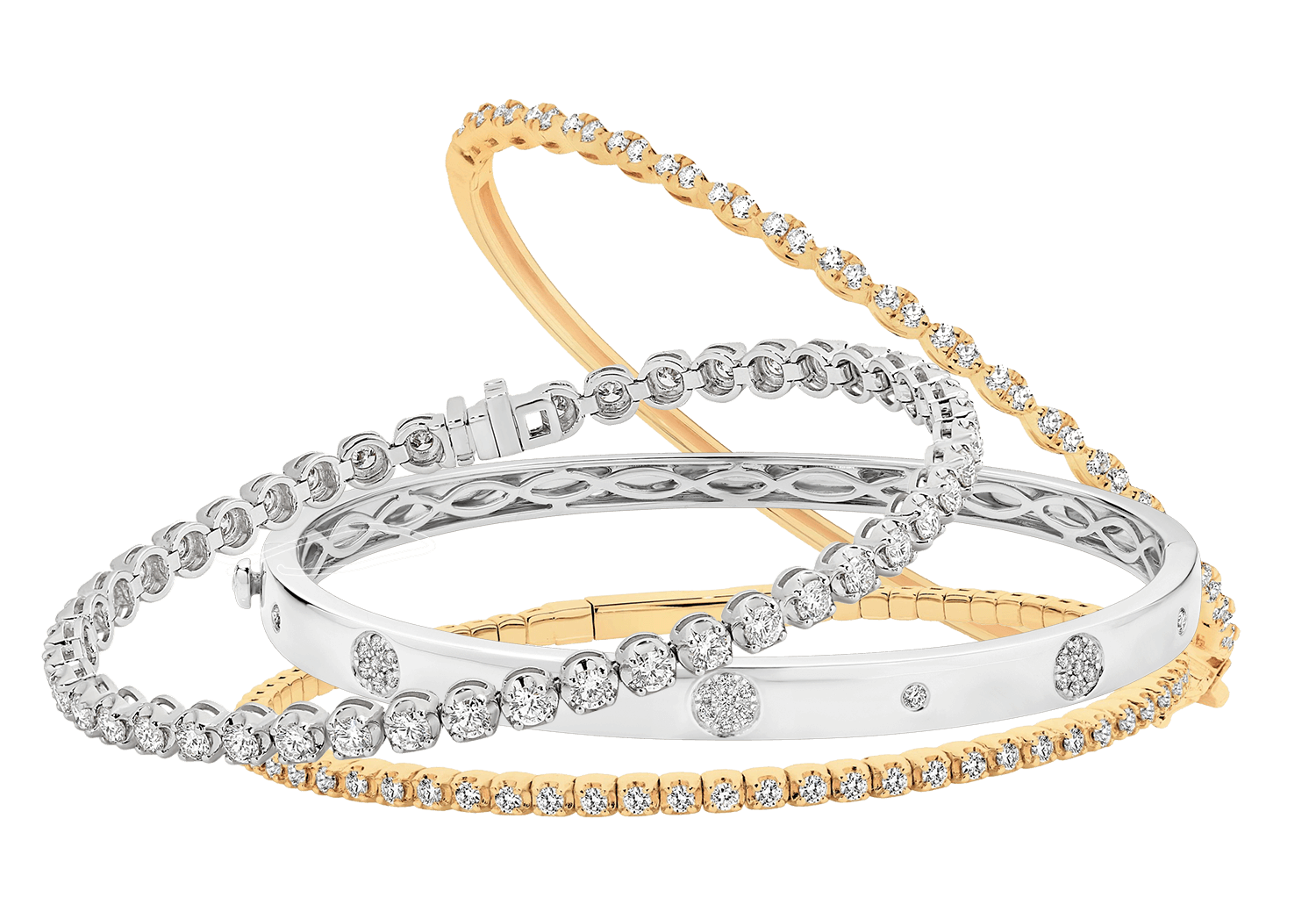
A slimmer band can make the centre diamond stand out more. A bright white setting can lift the appearance of a near-colourless stone. Diamond-set shoulders can add overall impact even when the centre stone is modest in size. In earrings and tennis bracelets, the consistency of the setting and layout can also affect how luxurious the finished piece feels.
Custom design can be especially useful here. Rather than forcing your budget into a standard retail model, a bespoke approach allows the piece to be built around your priorities.
Natural or lab-grown depends on your priorities
For many Australian buyers, the comparison between natural and lab-grown diamonds is now central to value. Lab-grown diamonds can offer significantly greater size for the same outlay, making them appealing for engagement rings, studs, and statement designs.
Natural diamonds, however, continue to appeal to those who value rarity, geological origin and long-term sentiment. Neither choice is automatically better. It depends on whether your priority is size, origin, symbolism or a balance of all three.
The practical point is this: if your budget is fixed and visual scale matters most, lab-grown may open up options that would otherwise sit beyond reach. If heritage, uniqueness and traditional market preference matter more, natural may feel like the stronger fit. A trustworthy jeweller should explain both pathways clearly, without treating either as a shortcut.
Buy the piece, not just the paper
A diamond should always be chosen in context. The right stone for a solitaire ring may not be the right stone for a pair of earrings or an eternity band.
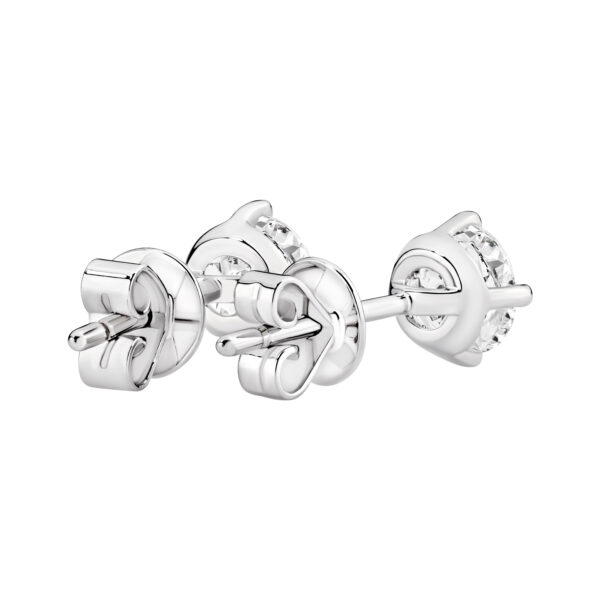
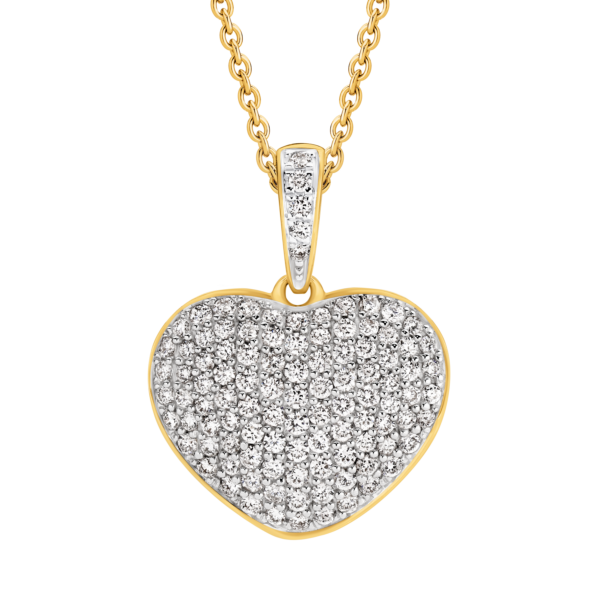
For stud earrings, matched appearance and brightness often matter more than chasing top paper grades. For an eternity ring, consistency across the line of stones is more important than over-investing in individual specs that will never be seen in isolation. For a necklace, the distance from the wearer changes, and the details that are actually visible.
This is where experienced sourcing matters. Buyers who focus only on certificate numbers can end up paying premiums in the wrong places. Buyers who assess the diamond as part of the finished jewel usually make stronger decisions.
Why sourcing matters as much as specification
The same budget can go further depending on who is sourcing the diamond. Access to trusted manufacturers and careful selection within each grading range often determines whether you end up with an average stone or a standout one.
Not all diamonds with the same certificate profile perform the same way. Subtle differences in make, proportion and appearance can have a major effect once the diamond is in hand. That is why buying fine jewellery is not simply a matter of filtering by carat, colour and clarity online.
At Forever by Temptation, decades of buying experience become valuable. Thoughtful sourcing helps clients spend with confidence, especially when the purchase marks an engagement, anniversary or other milestone that should feel considered from every angle.
The best budget-friendly diamond strategies are the ones you can wear with confidence
A well-bought diamond does not announce itself with unnecessary size or inflated specifications. It looks balanced, bright and right for the person wearing it. Whether you are choosing a timeless solitaire, elegant diamond studs, or a custom piece in 18ct gold, the goal is the same: spend where beauty is visible, save where it is not, and choose quality that will still feel right years from now.
If you are weighing options, start with your priorities rather than a headline number. The right diamond purchase is rarely the one with the most on paper. It is the one that gives you lasting satisfaction every time you put it on.