

A diamond wedding band needs to do more than look beautiful in the box. It has to sit comfortably beside an engagement ring, suit your day-to-day life, and still feel right years from now. This diamond wedding band guide is designed to help you choose with confidence, whether you are buying a classic band for a wedding, upgrading an anniversary ring, or creating a custom piece for long-term wear.
What a diamond wedding band should get right
The best diamond wedding bands balance three things: appearance, durability, and proportion. A ring can have excellent sparkle, but if the setting sits too high or the band width feels wrong on the hand, it may not be the piece you reach for every day. That matters with wedding jewellery, because these are not occasional pieces. They are worn through work, weekends, travel and everything in between.
For most buyers, the right choice comes down to how the ring will be worn. Some want a band that frames an engagement ring without competing with it. Others want a diamond band substantial enough to wear on its own. Both approaches are valid, but they lead to different decisions around diamond size, setting style and metal weight.
Diamond wedding band guide: start with how you will wear it
Before comparing diamonds, think about your practical use. If the band will sit next to a solitaire engagement ring, the profile and height need careful attention. Straight bands suit some engagement rings perfectly, while others require a shaped or curved band to sit neatly. A poor fit can leave an obvious gap, or worse, cause the rings to rub over time.
If you plan to wear the diamond wedding band alone, you can often choose a fuller look. This might mean larger diamonds, a wider band, or an eternity style that gives sparkle across the finger. The trade-off is that full eternity rings can be harder to resize later, so they are not always the best choice for buyers who want flexibility.
Lifestyle should also guide the setting. If you work with your hands, train regularly, or prefer a low-maintenance ring, lower-profile settings are more practical. If your priority is maximum light return and visual presence, a more elevated setting may appeal, but it usually asks for a little more care.
Choosing the right diamond setting style
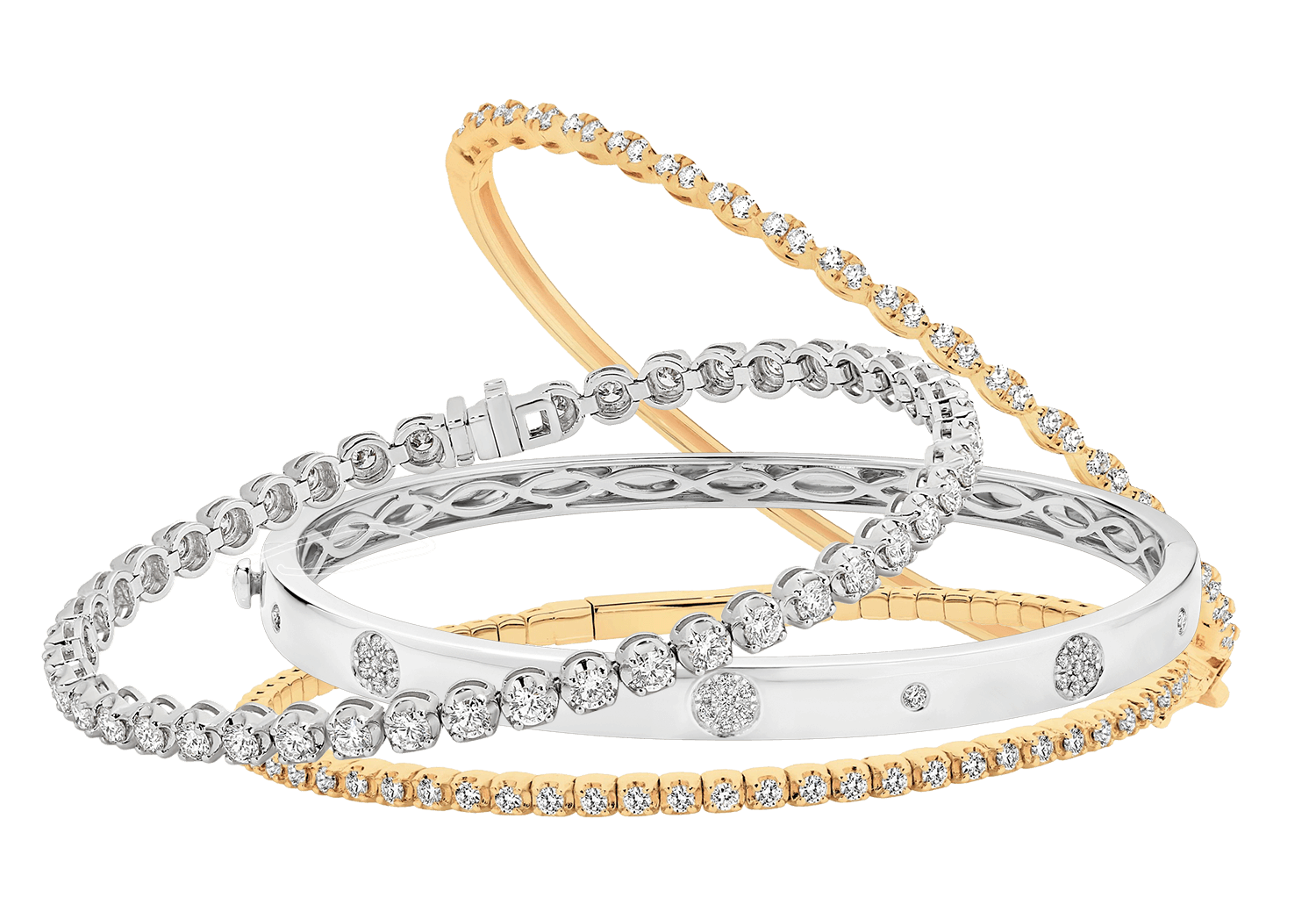
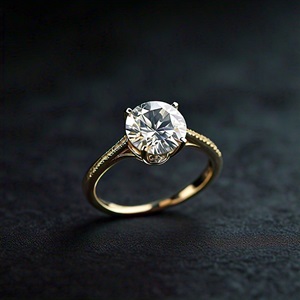
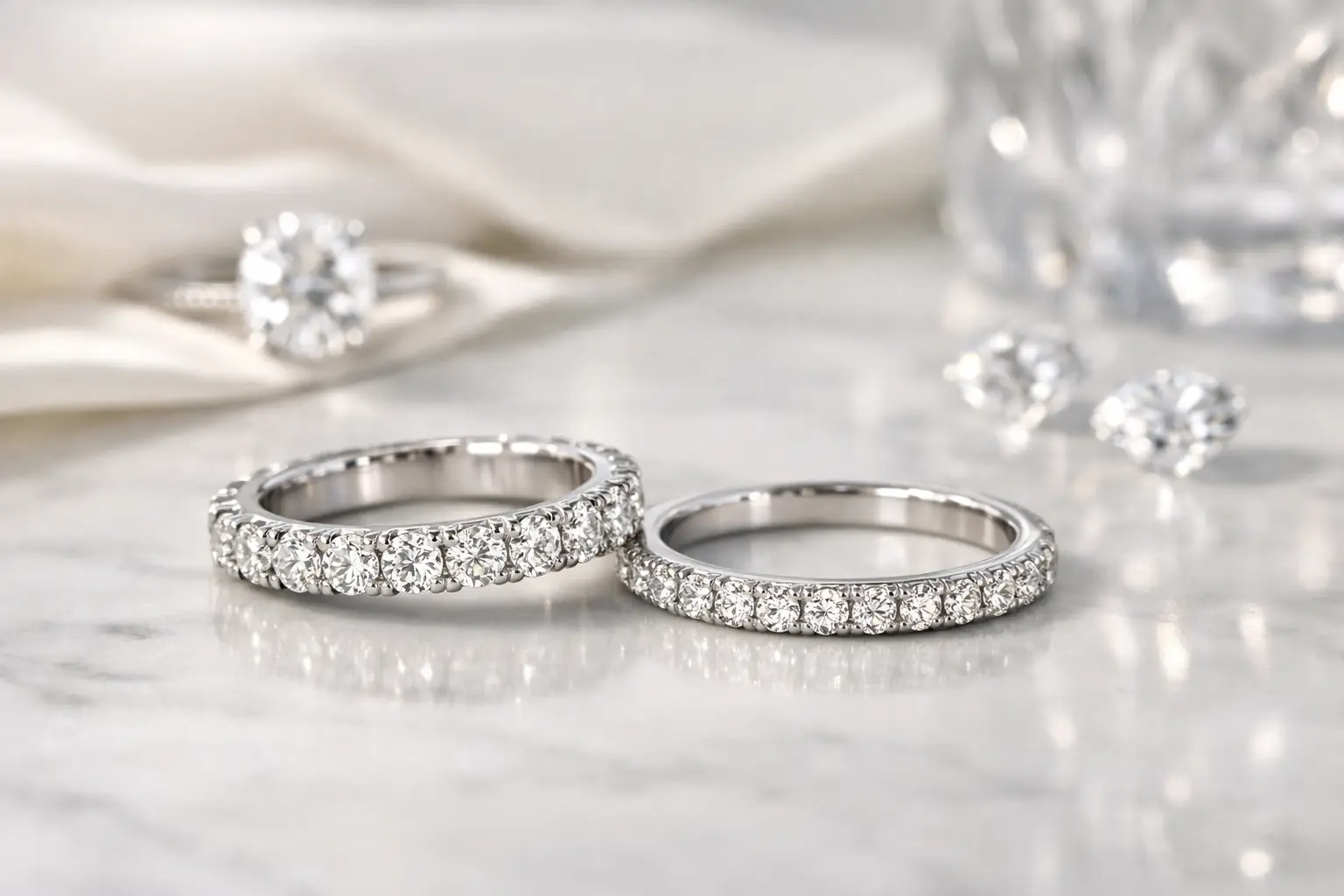
The setting has a major effect on how the ring looks and wears. Claw-set wedding bands are popular because they allow a lot of light into the diamonds, delivering strong sparkle. They can look refined and delicate, especially in oval, round, or emerald-cut designs. The consideration is that claws need to be well-made and periodically checked, particularly for a ring intended for constant wear.
Channel-set bands offer a cleaner, more contained appearance. The diamonds sit within the metal, making this style a strong choice for buyers who want a sleek finish and added security. They often suit a more tailored or contemporary aesthetic.
Bezel and grain-set styles can also be excellent options. A bezel gives each diamond a framed look and tends to wear well, while a grain setting can create vintage character with a finer surface of sparkle. Neither is automatically better than the other. It depends on whether you prefer crisp lines, softness, or a more traditional finish.
Understanding diamond size and coverage
Many buyers focus first on total carat weight, but finger coverage is often the more useful measure. A band with smaller, well-cut diamonds can appear brighter and more balanced than a ring with larger stones that are poorly matched. In wedding bands, especially, consistency matters. The diamonds should look even in colour, clarity and make, so the ring reads as one considered piece rather than a row of individual stones.
This is where expert sourcing makes a difference. Matching diamonds for a band takes judgment. You are not simply selecting one centre stone. You are building a sequence that needs harmony across the entire ring.
Think about scale in relation to your hand and your existing jewellery. Fine bands can feel elegant and easy to layer, while larger diamond bands create more presence and can stand alone beautifully. Neither option is more luxurious by default. Proportion is what gives a ring its polish.
Metal choice matters more than many expect
A diamond wedding band is only as strong as the structure supporting it. Metal choice affects colour, durability and overall style. In premium wedding jewellery, 18ct white gold, yellow gold and rose gold remain leading choices because they offer richness of colour and a fine finish suited to milestone pieces.
White gold gives a crisp, bright look that complements colourless diamonds and works well with modern settings. Yellow gold adds warmth and contrast, making white diamonds stand out in a different way. Rose gold has a softer tone and can feel distinctive without being overstated.
The right metal often depends on your engagement ring, skin tone and existing jewellery wardrobe. It also depends on how much contrast you want. A matched set creates a cohesive look, while a mixed-metal pairing can feel more individual. The key is making the contrast intentional, not accidental.
Diamond quality in a wedding band
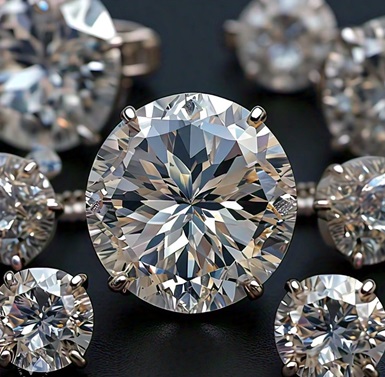
The standard for diamond quality in a wedding band is not identical to the standard for a solitaire. With smaller diamonds, the priority is usually overall beauty, consistency and brilliance rather than chasing technical grades that may not be visible in normal wear. Cut quality still matters enormously because it is what gives the stones life.
Colour and clarity should be selected with the finished ring in mind. In many bands, a well-balanced range can deliver excellent visual results without overspending on specifications that are difficult to distinguish once set. This is especially relevant when comparing natural and lab-grown diamonds. Both can be beautiful options when chosen carefully. The right choice depends on your budget, values and the size or look you want to achieve.
For some buyers, natural diamonds carry the appeal of rarity and traditional provenance. For others, lab-grown diamonds allow for greater visual size or coverage at the same price. Neither path should be treated casually. In both cases, the result depends on careful selection and a jeweller who understands how to source for beauty, not just paper specifications.
Comfort, fit and long-term wear
A wedding band is one of the few pieces of jewellery you may wear every day for decades. Comfort deserves as much attention as sparkle. Band width, internal profile and setting height all affect wearability. A ring that looks perfect in photos may feel heavy, sharp-edged or awkward beside another ring once you actually live in it.
This is why trying on styles, or at least reviewing proportions carefully before production, matters. A slightly rounded inside edge can significantly improve comfort. The same goes for choosing an appropriate width for your finger size. Very fine bands can be elegant, but they still need enough structural integrity for daily wear, especially when diamonds are set across the top.
Sizing should be approached carefully as well. Full eternity rings are beautiful, but resizing can be limited. Half-set and three-quarter-set bands often provide more flexibility while still offering plenty of sparkle.
Budgeting without compromising the result
A sensible budget is not about buying the cheapest version of a style. It is about deciding where your spending will have the most visible impact. In a diamond wedding band, that may mean prioritising better cut and matching over higher clarity, or selecting a slightly different setting to allow for stronger diamond coverage.
This is where a consultative approach is valuable. The smartest purchase is rarely about one specification in isolation. It is about how the diamonds, metal, design and wearability come together.
At Forever by Temptation, that process is guided by decades of diamond-buying experience and access to premium sourcing, helping clients compare options clearly rather than guessing their way through a sentimental purchase.
When custom is the better choice
A ready-made diamond wedding band can be the right answer if your engagement ring has a straightforward shape and your style is clear. But custom design becomes especially worthwhile when fit is complicated, when you want specific diamond proportions, or when you are trying to create a ring with more individuality.
Custom does not have to mean extravagant. Often it simply means making the ring work properly – matching the height of an engagement ring, adjusting the curve, choosing the exact band width, or refining the diamond layout so the finished piece feels balanced on the hand.
That level of detail can be the difference between a ring that is lovely in theory and one that feels made for you.
A diamond wedding band is a long-term purchase, and the best choices usually come from slowing down enough to consider how it will look, feel and wear over time. If you choose with that in mind, the ring will do what it should from the beginning – feel natural on the hand and significant every time you see it.