

A larger centre stone, a cleaner grading result, or a more generous design budget – these are usually the reasons people ask, are lab diamonds worth buying? It is a sensible question, especially when you are choosing jewellery for an engagement, wedding, anniversary or another milestone that carries both emotional and financial weight.
The short answer is yes, lab diamonds can absolutely be worth buying. But whether they are worth buying for you depends on what you value most: size, price, rarity, long-term meaning, resale expectations, or the story behind the stone. The best decision comes from understanding where lab-grown diamonds excel, and where natural diamonds still hold a clear advantage.
Are lab diamonds worth buying for fine jewellery?
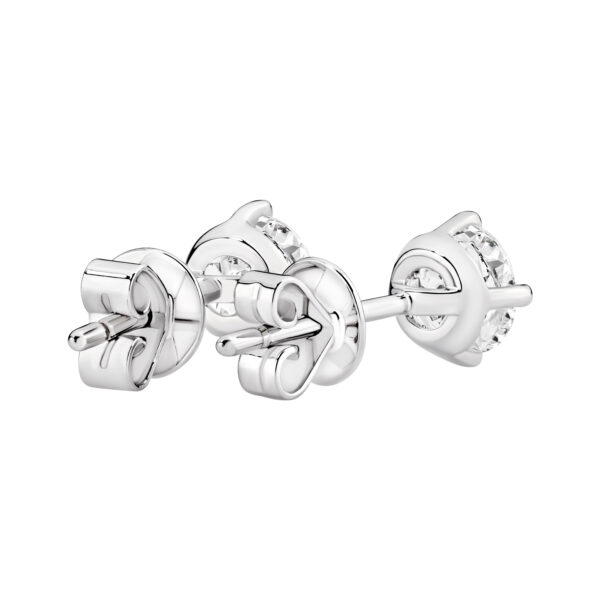
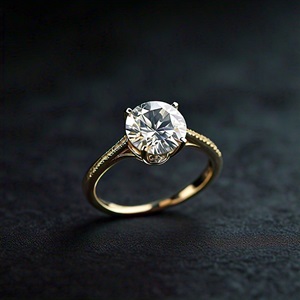
For many buyers, they are. Lab-grown diamonds are real diamonds. They have the same chemical composition as natural diamonds, the same brilliance when well cut, and the same durability for everyday wear. If you are choosing a diamond for a ring, earrings, pendant or tennis bracelet, a lab diamond can deliver the visual impact people want from fine jewellery without requiring the same budget as a comparable natural stone.
That matters in practical terms. A couple shopping for an engagement ring may be able to choose a larger oval or round brilliant without stepping beyond budget. Someone marking a milestone anniversary may prefer to invest in a more substantial pair of diamond studs or an eternity ring with stronger overall finger coverage. In those scenarios, lab-grown diamonds often make excellent buying sense.
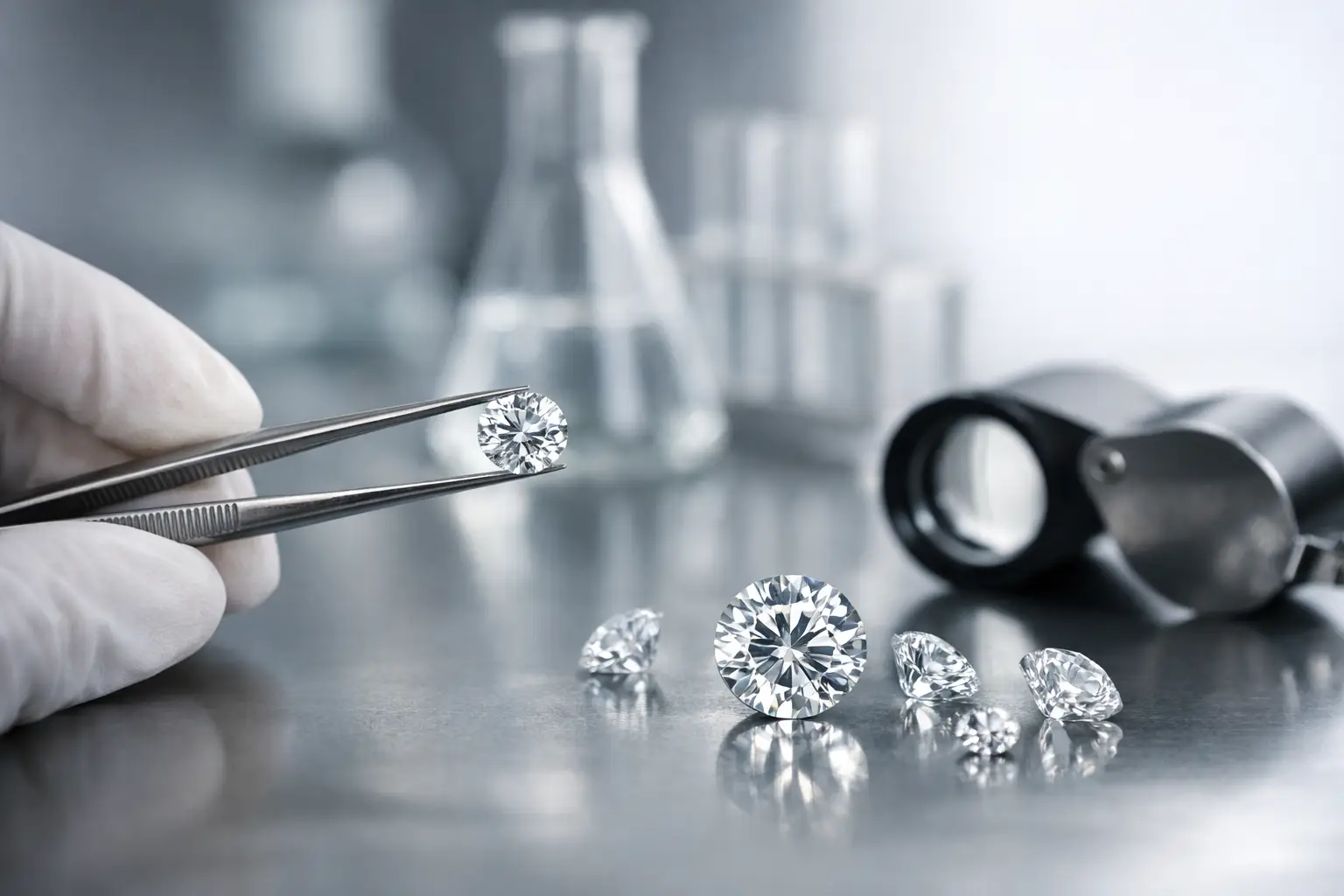
Where buyers sometimes hesitate is not in the appearance, but in what the diamond represents. Natural diamonds formed over billions of years carry a sense of rarity and provenance that many clients still find deeply appealing. Lab diamonds, while genuine, are created in controlled conditions over a much shorter timeframe. For some, that difference does not matter. For others, it matters a great deal.
The strongest case for buying lab-grown diamonds
The most obvious advantage is value. Lab-grown diamonds generally allow you to purchase a larger size or higher specifications for less. That can mean a higher colour grade, better clarity, or a cut quality that lifts the overall beauty of the stone.
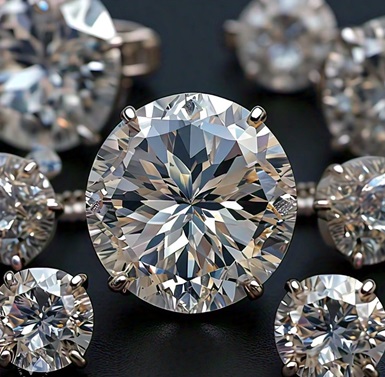
Cut remains the most important factor here. A poorly cut diamond, whether lab-grown or natural, will not perform as beautifully as it should. A well-cut lab diamond with balanced proportions and strong light return can look exceptional in a solitaire engagement ring or classic pendant. For buyers focused on appearance and budget alignment, this is where lab-grown diamonds are particularly compelling.
There is also more design freedom. When the centre stone costs less, more of the budget can go into the setting and craftsmanship. You may choose 18ct gold instead of a lower metal option, add a hidden halo, select matching side stones, or create a bespoke setting that feels more personal. That flexibility is attractive when you want the finished piece to feel luxurious, not compromised.
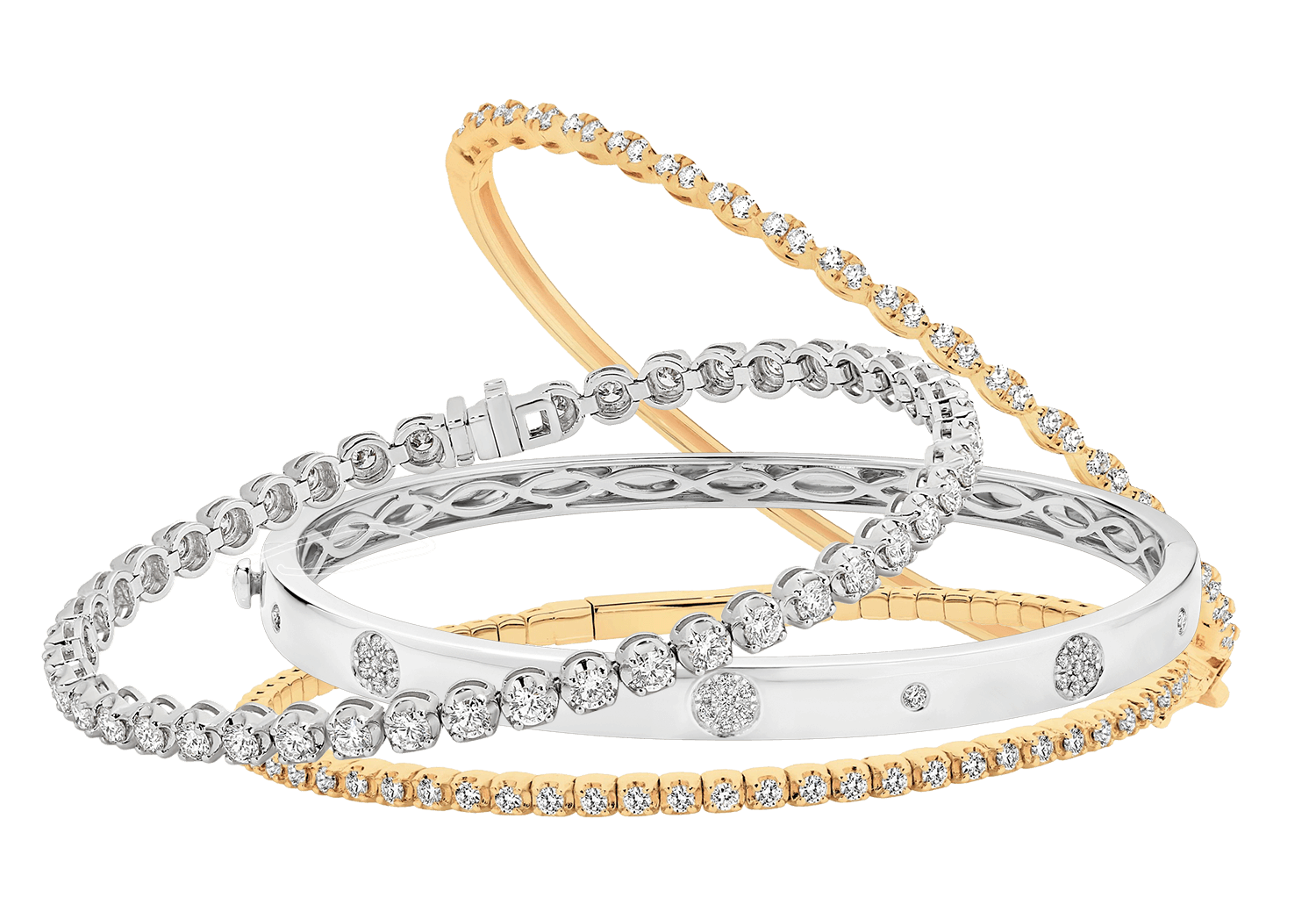
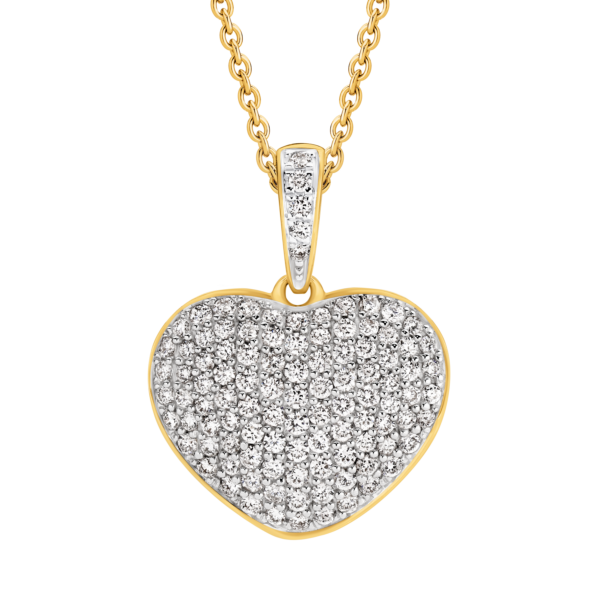
For fashion-conscious buyers and those purchasing larger diamond jewellery, lab-grown stones can also make categories such as statement earrings, tennis bracelets, and sizeable pendants more accessible. Instead of settling for smaller stones, clients can often achieve the look they had in mind from the beginning.
Where natural diamonds still hold an edge
If your priorities include rarity, collectability, or a stronger long-term resale value, natural diamonds remain the traditional choice. This is one of the most important trade-offs to understand.
Lab-grown diamonds have become more widely available, and prices have fallen as production has scaled up. That is positive for affordability at the point of purchase, but it also means they typically do not hold value as buyers may expect from natural diamonds. Anyone purchasing with future resale front of mind should weigh this carefully.
Natural diamonds also carry an emotional appeal that cannot be measured by a grading report. For some couples, the age and rarity of a natural stone are part of what makes an engagement ring feel singular. For a family intending to pass down a piece through generations, that origin story may matter just as much as the visual result.
This does not make lab diamonds a lesser choice. It simply means the reason for buying needs to be honest. If you want maximum beauty for your budget and a diamond that is real, durable, and impressive in the hand, lab-grown diamonds can be a very smart option. If you want geological rarity and the traditional prestige associated with it, natural may be the better fit.
Are lab diamonds worth buying for engagement rings?
Often, yes – particularly when budget and finger coverage are both high priorities. Engagement ring buyers commonly compare a natural one-carat diamond with a lab-grown diamond of noticeably larger size or stronger grading. The visual difference can be significant, especially in popular shapes such as oval, pear and radiant cuts.
That said, an engagement ring is rarely a purely practical purchase. It is emotional, symbolic and worn every day. If one partner strongly values the idea of a natural diamond, that preference should not be dismissed in favour of price alone. The right ring is the one that suits the relationship, the wearer and the intention behind the purchase.
A thoughtful jeweller will guide this conversation around lifestyle, design, quality and budget rather than pushing one option as universally better. At Forever by Temptation, that kind of guidance matters because the best diamond is never chosen on paper alone. It should suit the ring, the hand and the significance of the occasion.
What to check before you buy
Whether you choose lab-grown or natural, the same quality principles apply. Look closely at the cut first, then assess colour, clarity and carat weight in balance rather than chasing a single specification. A larger stone is not automatically better if the cut is weak or the proportions are poorly chosen.
Certification is also important. A properly graded lab-grown diamond gives you a clearer understanding of what you are buying. Beyond the report, ask to view the diamond properly, compare it against alternatives, and consider how it performs in normal lighting rather than only under showroom spots.
Shape can also affect value. Some fancy shapes provide a more visible size indicator for carat weight, which can make a lab-grown diamond feel even more rewarding on a budget. A well-chosen oval or elongated cushion, for example, may create a larger look than a round brilliant of the same weight.
The question of sentiment, status and practicality
Jewellery buying is never just technical. Two diamonds can be equally beautiful to the eye, yet feel completely different to the buyer because meaning sits beneath the sparkle.
Some clients are entirely comfortable with lab-grown diamonds once they understand they are real diamonds. They see the value clearly and prefer to allocate their budget to design, metal quality, or a larger stone. Others feel that a milestone piece should feature a natural diamond because of its rarity and traditional significance. Neither view is wrong.
Status can play a role, too, although it is often discussed quietly. In certain circles, natural diamonds still carry stronger prestige. In others, informed buying and practical value are more admired. Most importantly, the wearer should feel proud of the piece. If there is doubt at the purchase stage, that feeling can linger.
So, are lab diamonds worth buying?
Yes, if your priority is visual beauty, larger size, and stronger value for money in a real diamond. They are especially worth considering for engagement rings, earrings, pendants, and anniversary jewellery, where appearance, durability, and budget flexibility all matter.
They may be less suitable if your decision is driven by rarity, resale potential, or a strong emotional connection to a naturally formed stone. That is where natural diamonds still offer a distinctive advantage.
The smartest approach is not to ask which option is better in general. Ask which option is better for the piece you are creating, the budget you want to respect, and the meaning you want the jewellery to hold for years to come.
When a diamond purchase marks one of life’s significant moments, confidence matters just as much as carat weight. Choose the stone that feels right when beauty, quality and purpose are all considered together.
[…] that are difficult to distinguish once set. This is especially relevant when comparing natural and lab-grown diamonds. Both can be beautiful options when chosen carefully. The right choice depends on your budget, […]