
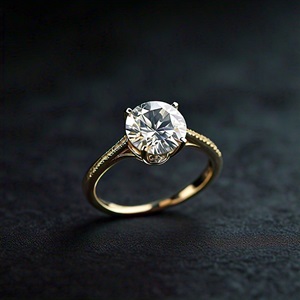

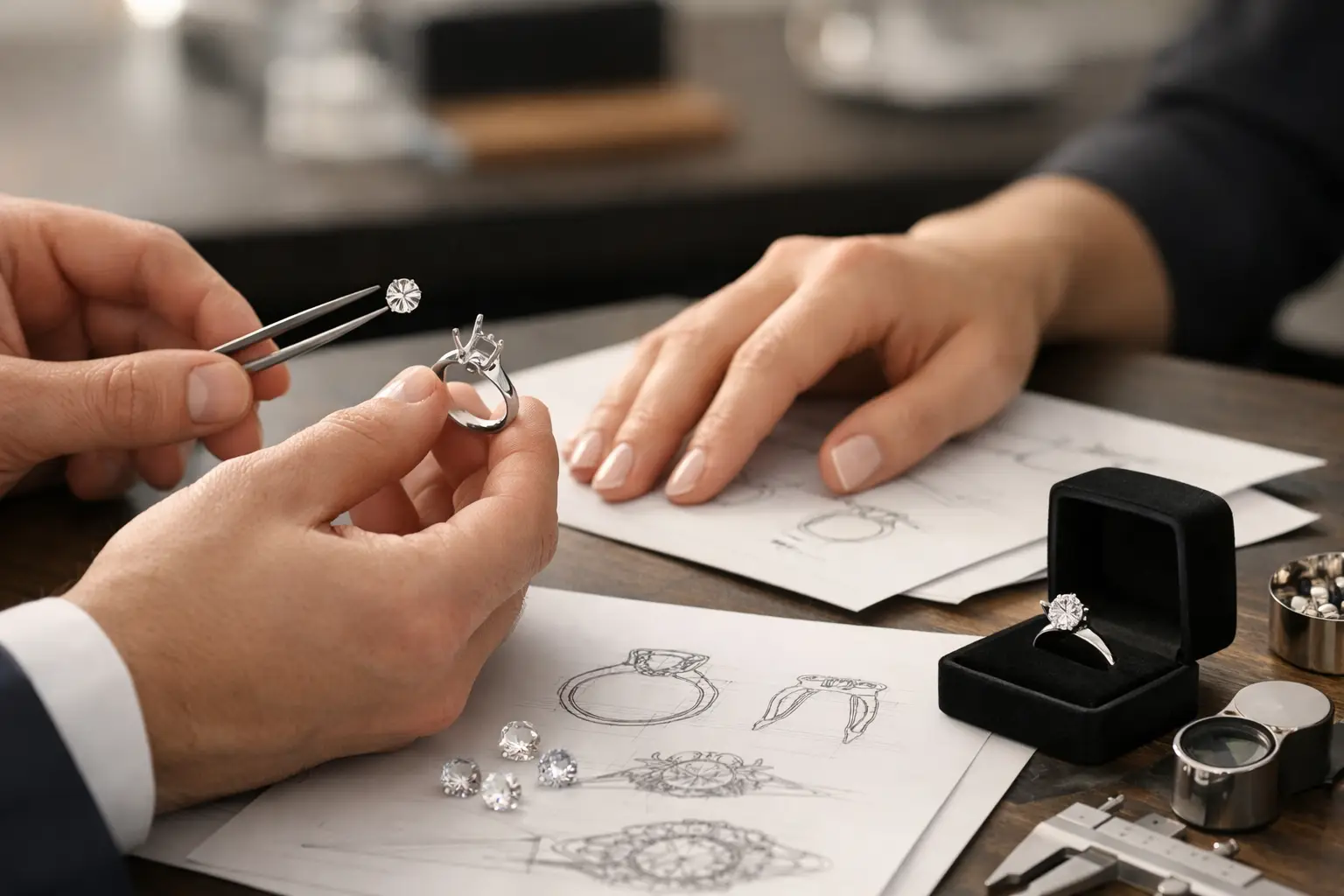
An engagement ring rarely feels significant because of its price alone. It matters because it marks a decision, a promise and, for many couples, the start of a piece of jewellery that will be worn every day for decades. That is why the bespoke engagement ring process appeals to buyers who want more than an off-the-shelf design. It offers control over the diamond, the proportions, the setting and the finish, while giving you expert guidance on quality and value.
For some clients, custom means creating something completely original. For others, it means refining a classic solitaire, adjusting the band width, selecting a better-cut diamond or choosing between natural and lab-grown options. Both are valid. A bespoke ring does not need to be elaborate to feel personal. It simply needs to be considered.
What the bespoke engagement ring process involves
At its core, the bespoke engagement ring process is a structured collaboration between client and jeweller. It begins with your brief, but it should quickly move into practical discussions around style, wearability, diamond quality, budget and timing. A good custom experience feels personal, but it should also feel clear.
The first stage is usually a consultation. This is where you discuss the overall look you want, whether that is a solitaire, halo, trilogy or something more detailed. You may already know the exact style, or you may only have a few reference images and a rough budget. Both starting points are common.
From there, the jeweller helps translate preference into specifications. That includes the shape of the centre stone, the metal choice, the ring profile, the setting style and any side stones or design features. This is also the point where technical advice matters most. Some design ideas look excellent in photos but are less practical for daily wear. Others may suit one diamond shape far better than another.
Start with the diamond, not just the setting
Many buyers begin by focusing on the ring design, but the diamond often determines more of the final outcome than expected. Its shape, measurements and proportions influence the setting, the visual balance and even how large the ring appears on the hand.
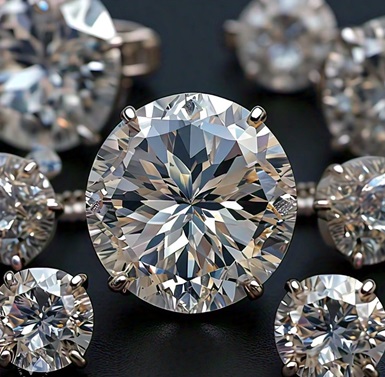
This is where expert sourcing makes a real difference. Two diamonds with the same carat weight can look noticeably different once set, depending on cut quality and spread. A well-cut stone generally delivers more brilliance and often looks more impressive than a heavier diamond with weaker proportions. If budget matters, and it always does to some extent, this is where careful guidance protects value.
Natural and lab-grown diamonds are both part of the conversation for many Australian buyers. The right choice depends on priorities. Some clients strongly value the rarity and traditional appeal of natural diamonds. Others prefer the size and quality they can achieve in a lab-grown stone for the same spend. Neither option is automatically better. The better choice is the one that suits your budget, expectations and long-term comfort with the purchase.
Colour and clarity should also be assessed in context. It is easy to overspend on grades that deliver little visible benefit once the diamond is set. Equally, pushing too far down in quality can affect the ring’s overall presence. The goal is balance, not a checklist of the highest specifications.
Designing a ring that suits real life
A bespoke ring should look beautiful under showroom lighting, but it also needs to work on a normal Tuesday. Daily wear matters. So does how the ring will sit with a future wedding band.
Style choices that affect wearability
A high setting can make a diamond appear more prominent, but it may catch more often. A very thin band can look delicate and elegant, yet it may not offer the same long-term durability as a slightly heavier profile. Claw shapes, band contours and halo dimensions all affect both appearance and practicality.
This is why custom design benefits from restraint as much as creativity. The best results are often not the most complicated. A well-proportioned solitaire in 18ct white gold, yellow gold or platinum can feel timeless because every element has been carefully resolved.
Matching design to personal taste
Some clients want a ring that feels unmistakably classic. Others want subtle individuality, such as a hidden halo, tapered band or a distinctive basket beneath the centre stone. These details are often where bespoke design feels most rewarding. They give the ring personality without making it difficult to wear or date too quickly.
If you are designing with a partner’s style in mind, pay attention to the jewellery they already wear. Their preference for yellow gold over white metals, minimal styling over detail, or oval shapes over round stones will usually tell you more than trend reports ever could.
From concept to final approval
Once the core design direction and diamond are chosen, the ring moves into development. Depending on the jeweller, this may involve sketches, CAD renders or a more detailed design presentation. The purpose is simple: to confirm proportions and details before production begins.
This stage is where adjustments are easiest. You might decide the band needs to be slightly wider, the claws more refined or the halo less pronounced. These small changes can materially improve the final ring.
A trustworthy jeweller will be transparent about what can be changed, what affects cost and what may impact durability. That honesty is part of the value of going bespoke. You are not just buying a ring. You are buying judgement.
How timelines usually work
Custom work takes longer than selecting a finished piece, and that should be factored in early. If you are planning a proposal around a holiday, family event or travel date, raise that from the beginning.
The exact timeline varies depending on design complexity, sourcing requirements and workshop schedules, but bespoke engagement rings generally involve several stages: consultation, diamond selection, design approval, production and final finishing. If the centre stone is especially specific in size or quality, sourcing can take additional time.
Rushing the process is possible in some cases, but it creates pressure where there should be care. If timing is tight, a jeweller may suggest adapting an existing design or choosing from available stones to keep the result strong without compromising quality.
Budgeting for a bespoke ring without guesswork
One of the biggest misconceptions around custom jewellery is that bespoke always means dramatically more expensive. Sometimes it does cost more, especially if the design is intricate or the centre diamond is rare. But in many cases, custom is simply a more precise way to allocate your budget.
Rather than paying for features that do not matter to you, you can direct spend where it has the most impact. For one buyer, that may mean prioritising a superior cut grade in a classic solitaire. For another, it may mean selecting a slightly smaller centre stone to allow for premium craftsmanship and a better setting.
Clarity around budget from the outset helps the process enormously. It does not limit the jeweller. It gives them parameters to source intelligently and present realistic options. Clients often feel more confident once they understand the trade-offs available between carat weight, colour, clarity and setting style.
Why expertise matters in the bespoke engagement ring process
The bespoke engagement ring process only works well when the advice behind it is sound. A custom ring can be beautifully made and still be poorly specified if the diamond was chosen badly or the proportions were not considered carefully.
That is why experience in diamond buying matters. Access to reliable manufacturers, confidence in assessing cut quality and the ability to compare stones beyond certificate grades all influence the final result. A ring may look similar on paper, yet perform very differently in person.
For buyers who want reassurance, working with a specialist jeweller offers something chain retail cannot easily replicate: informed selection rather than standardised stock. At Forever by Temptation, that custom approach is supported by decades of diamond sourcing experience, which helps clients make decisions with clarity rather than pressure.
Is bespoke always the right choice?
Not always. If you need a ring quickly, have found a finished design that is exactly right or prefer a straightforward purchase, ready-to-wear can be the smarter option. Bespoke suits clients who want involvement, flexibility and a ring shaped around specific priorities.
It also suits buyers who care deeply about the centre diamond. If you want more say in cut, size, shape or origin, custom is often the best route because it starts with selection rather than compromise.
The strongest custom rings are not created by adding more and more detail. They come from choosing the right stone, the right design and the right expert to guide the process. When those three elements align, the finished ring feels considered from every angle – and that is exactly what a piece meant to last should be.