

A diamond can look extraordinary on paper and still feel underwhelming in person. That is why understanding diamond cut, clarity, colour, and carat matters so much when you are choosing an engagement ring, anniversary piece, or a custom design. The right balance between these four factors does far more than set a price – it determines how your diamond performs, how it suits the setting, and whether it feels worth the investment every time you wear it.
Why diamond cut clarity colour carat should never be judged in isolation
The four Cs are often presented as a checklist, but experienced diamond buying is more nuanced than that. A higher grade in one category does not automatically make a diamond more beautiful overall. In many cases, one characteristic has a stronger visual impact than another, and the best choice depends on the jewellery’s style, the stone’s shape, and the budget you want to work within.
For most buyers, cut has the greatest effect on visible beauty. A well-cut diamond reflects light with more life, brightness and fire. That means a slightly smaller diamond with an excellent cut can often appear more impressive than a larger stone with poor proportions. Clarity and colour still matter, of course, but they need to be weighed against what you can actually see without magnification and how the diamond will be worn.
This is where expert guidance becomes valuable. Buying well is not about chasing the highest possible grades across the board. It is about selecting the combination that gives you the strongest visual result for your budget.
Cut – the quality factor that changes everything
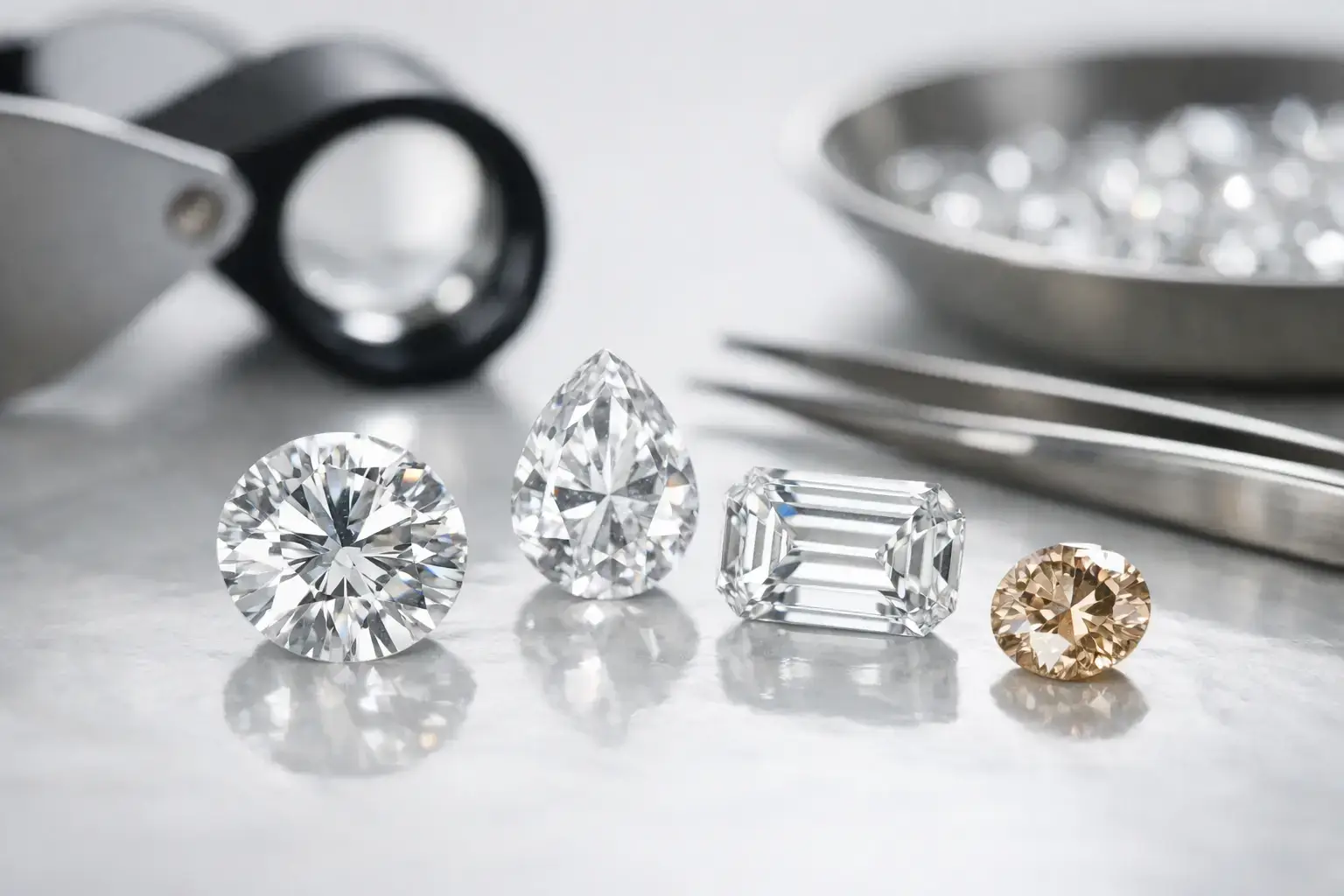
When clients compare diamonds side by side, cut is often the reason one stone immediately stands out. Cut refers to how well a diamond has been proportioned and faceted, not its shape. Round brilliant, oval, pear and cushion are shapes. Cut quality is about how those shapes handle light.
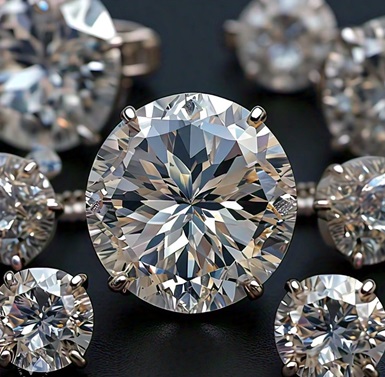
A diamond cut too deep or too shallow can lose light through the bottom or sides, which reduces sparkle. A finely cut diamond returns light to the eye, giving it brilliance and a crisp, lively appearance. This is why cut is often the most important of the diamond cut, clarity, colour, and carat considerations.
For round brilliant diamonds, cut grading is generally more standardised and easier to compare. Fancy shapes such as oval, emerald, radiant and pear require a more trained eye because beauty cannot be judged by certificate alone. Two ovals with similar listed grades can look very different in person. One may have a better spread across the finger, while another may show a more noticeable bow-tie effect.
For buyers focused on maximum beauty, it usually makes sense to prioritise cut first, then balance the remaining Cs around it.
Clarity – what matters to the eye, not just the grading report
Clarity measures the presence of internal inclusions and external blemishes. Grades range from very rare, nearly flawless stones through to diamonds with inclusions that may be visible to the naked eye. The key point is that not every inclusion affects beauty equally.
Many diamonds in the VS and SI range can appear completely clean without magnification, especially once set. That can make them an excellent value for buyers who want a beautiful result rather than a technically rare grade. On the other hand, a lower clarity grade may be perfectly acceptable in one shape and less desirable in another, depending on where inclusions sit and how visible they are.
Step-cut diamonds, such as emerald and Asscher cuts, tend to show clarity characteristics more readily because of their open, glass-like faceting. Brilliant cuts, such as round and cushion, usually hide inclusions more effectively. This is why clarity should always be assessed alongside shape and setting.
The aim is not necessarily to buy the highest clarity available. It is to buy a diamond that looks clean and bright in normal viewing conditions.
Colour – how white does your diamond need to be?
Colour grading assesses the amount of body colour in a white diamond. In general, the scale moves from colourless through to faintly tinted stones. Small differences in colour grade can significantly affect price, but visual differences are often subtler than buyers expect, especially once the diamond is mounted.
The ideal colour range depends on personal taste, shape and metal choice. In platinum or white gold, many clients prefer a whiter appearance, particularly for larger centre stones. In yellow or rose gold, slightly warmer grades can still look beautiful and may offer better value.
Shape also influences colour visibility. Round brilliant diamonds tend to mask warmth more effectively, while elongated and step-cut shapes can show colour more easily. That means a colour grade that looks perfectly crisp in a round diamond may appear a little softer in an emerald cut.
For many Australian buyers, the smartest approach is to choose a colour grade that matches white in the chosen setting rather than paying a premium for a grade difference that is difficult to notice once worn.
Carat – size matters, but so do proportions
Carat refers to weight, not visual size alone. This often surprises buyers. Two diamonds with the same carat weight can face up differently, depending on their cut. One may look broader and more balanced, while another carries excess weight where it cannot be seen.
That is why carat should not be viewed as a standalone target. Reaching a milestone number such as 1.00ct or 2.00ct can be appealing, but if that comes at the expense of cut quality, the diamond may not deliver the presence you expected.
There is also the question of proportion to consider. A diamond that suits a delicate solitaire ring may not be the right scale for a halo, three-stone design or tennis bracelet. The ideal carat weight depends on finger size, setting style, wearability and budget. Bigger is not always better if the piece loses elegance or balance.
How to prioritise the four Cs by jewellery type
The best diamond cut, clarity, colour, and carat balance often changes depending on what you are buying.
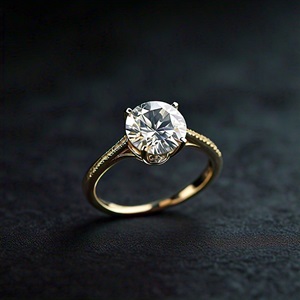
For engagement rings, cut is usually the strongest priority because sparkle is what most people notice first. Colour and clarity can then be adjusted to suit the shape and setting. A halo, for example, can make the centre stone appear larger, allowing more flexibility in carat weight.
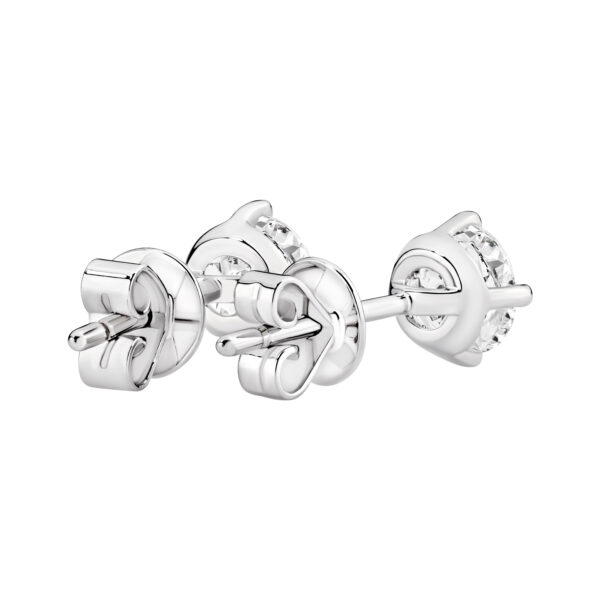
For diamond stud earrings, many buyers can be slightly more flexible on clarity, as the stones are viewed from a greater distance. Matching is critical here – not only in size, but also in colour and overall appearance.
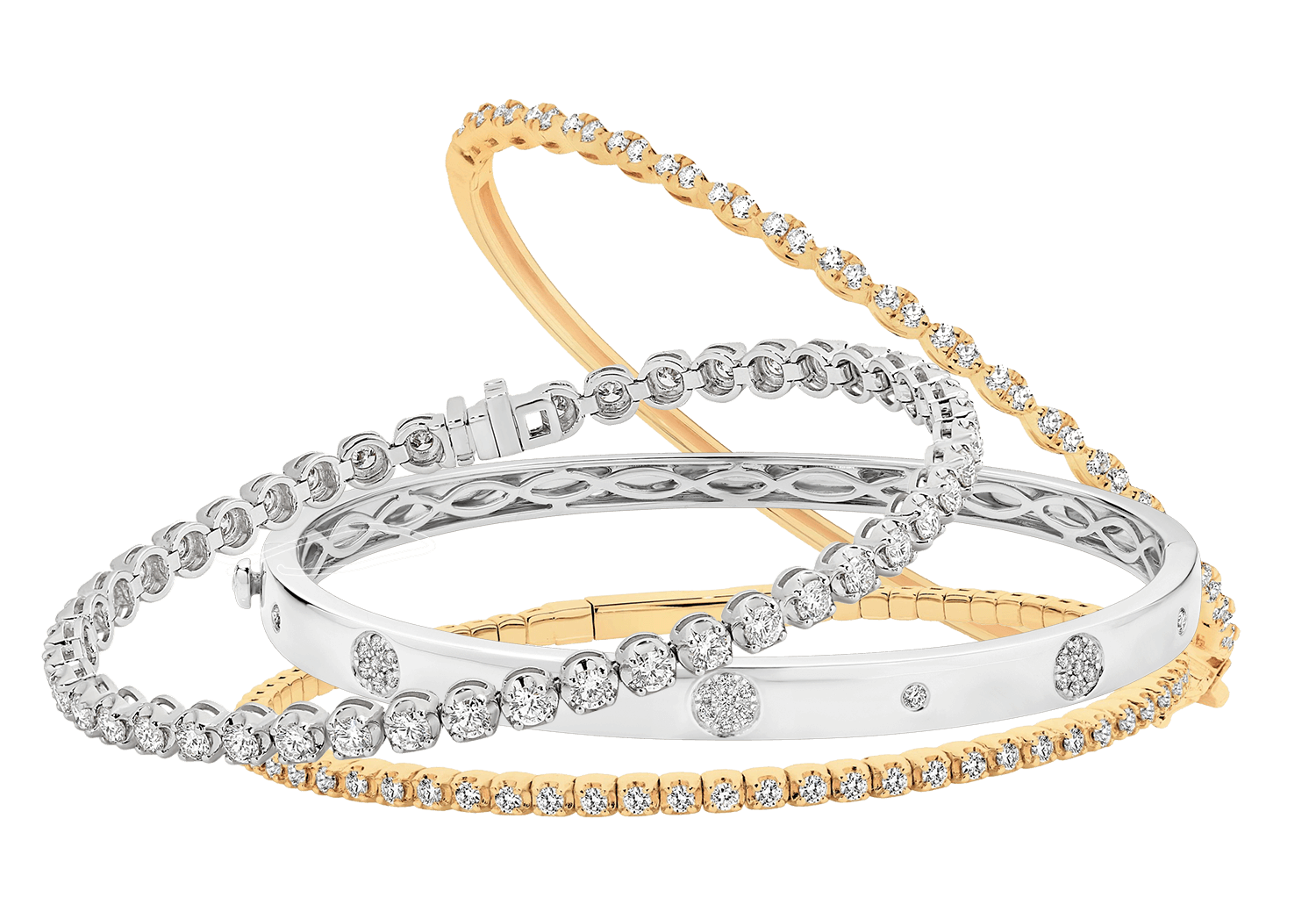
For tennis bracelets and eternity rings, consistency across the full set matters as much as the grading of each individual stone. A well-matched line of diamonds often looks more luxurious than pursuing higher grades at the expense of visual harmony.
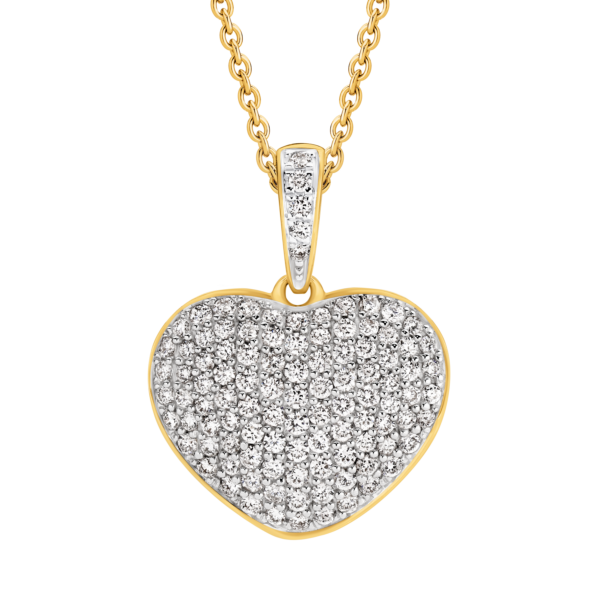
For pendants and solitaire necklaces, a balance of bright cut and pleasing face-up size usually delivers the best result, especially for everyday wear.
Natural and lab-grown diamonds – the same principles still apply
Whether you are considering a natural diamond or a lab-grown diamond, the four Cs remain central to value and appearance. A lab-grown option may allow you to increase carat weight or improve colour and clarity within the same budget, but the importance of the cut remains the same.
This is where some buyers go wrong. They see an opportunity to buy a larger stone and focus almost entirely on carat, only to end up with a diamond that lacks life. A poorly chosen 2.00ct diamond will not outperform a beautifully cut 1.50ct stone simply because it is heavier.
The better question is not which category sounds more impressive on a certificate. It is the combination that gives you the most beautiful diamond for the way you want to wear it.
What experienced sourcing looks for beyond the certificate
A grading report is important, but it is not the whole story. Professionals also assess light performance, shape appeal, spread, symmetry, inclusion placement and how the diamond presents in real viewing conditions. This is particularly important with fancy shapes and custom jewellery projects, where proportions can dramatically affect the final result.
At Forever by Temptation, this quality-first approach is central to sourcing. With more than 35 years of diamond buying experience and direct access to manufacturers, the focus is not simply on offering diamonds with strong grades on paper. It is on selecting stones that deliver genuine beauty, value and suitability for the piece being made.
That matters when you are choosing a ring or pendant intended to mark a life milestone. You want confidence that the diamond has been selected with care, not just filtered by a certificate search.
Choosing well starts with the right questions
Before comparing diamonds, it helps to be clear on what matters most to you. Is the goal maximum sparkle? A particular size? A cleaner, whiter look? A shape that suits the hand? A specific budget with no compromise on craftsmanship? Those answers will influence where to be firm and where to be flexible.
The best diamonds are rarely chosen by rigid formulas. They are chosen by understanding how cut, clarity, colour and carat work together in real life, in real settings and under real budgets. When that balance is right, the result is not just a better diamond on paper. It is a piece you will feel certain about each time you open the box.
[…] to a noticeable jump in cost, especially for natural diamonds. The same applies when moving up in colour or clarity grades beyond the point where the difference is difficult to see with the naked eye. A calculator worth […]