
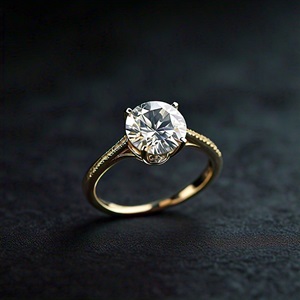

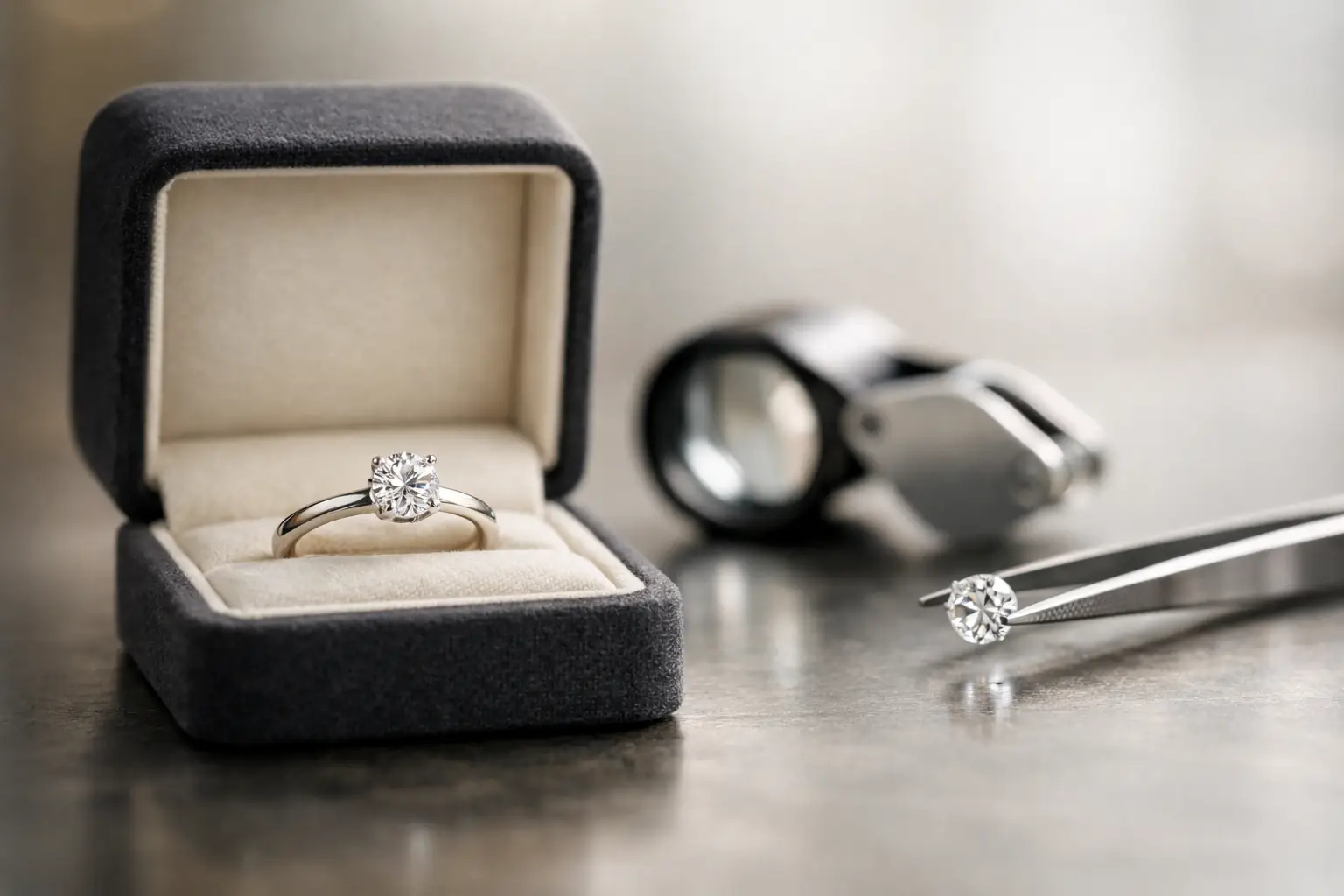
You can tell when someone has started shopping for a ring because the questions change quickly. At first, it is style and budget. Then it becomes cut, lab-grown or natural, white gold or platinum, hidden halo or solitaire, and how to make the whole decision feel right. A good engagement ring guide should do more than define terms. It should help you choose a ring that looks beautiful now, wears well over time, and suits the person who will wear it every day.
An engagement ring is both emotional and technical. The emotional side is obvious, but the technical side matters just as much when you are investing in a piece designed for long-term wear. The best purchase is rarely about chasing the biggest stone for the lowest price. It is about balance – visual impact, quality, setting security, lifestyle, practicality and budget working together.
What matters most in an engagement ring guide
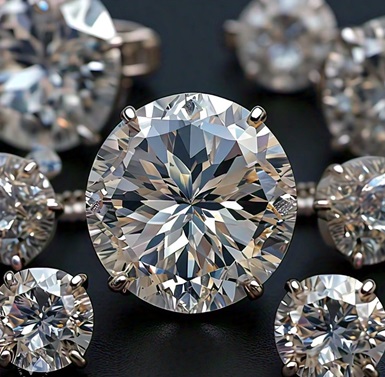
Most buyers start with diamond size, but size alone never tells the full story. Cut quality has the biggest influence on how brilliant a diamond appears. A well-cut diamond can look more lively and impressive than a larger stone with weaker proportions. If you want a ring that catches the eye immediately, the cut should sit at the top of your priorities.
After cut, colour and clarity need context. Many diamonds do not need the highest possible grades to look exceptional once set in a ring. In fact, choosing slightly lower colour or clarity grades can be a smart way to protect the budget without sacrificing visible beauty. The key is knowing where flexibility is safe and where it starts to affect appearance.
Carat is the most visible budget driver, which is why it helps to think in terms of overall face-up look rather than the number on a certificate alone. Shape also changes perceived size. Oval, pear and marquise diamonds often appear larger than round diamonds of the same carat weight, while round brilliants usually command a higher price because of demand and cutting yield.
Choosing between natural and lab-grown diamonds
For many Australian buyers, this is now one of the first decisions. Both natural and lab-grown diamonds are real diamonds. They share a similar chemical composition and can offer impressive beauty. The difference lies in origin, pricing structure and how you want to allocate your budget.
Natural diamonds appeal to buyers who value rarity, geological history and traditional market preference. They remain a strong choice for milestone jewellery, particularly when long-term sentiment and classic prestige are part of the purchase.
Lab-grown diamonds can offer significantly larger sizes or higher grades for the same spend. That makes them attractive if visual impact is the main goal or if you want to invest more of your budget into the setting design. The trade-off is that market positioning and resale expectations differ from natural diamonds, so the right option depends on what matters most to you.
Neither choice is automatically better. A well-selected diamond is still about cut, proportions and how it performs in person.
Diamond shapes and how they change the ring
Round brilliant remains the benchmark for sparkle. It is timeless, versatile and suits almost every setting style. If you are buying without complete certainty about personal taste, a round is usually a safe and elegant starting point.
Oval diamonds are popular for good reason. They elongate the finger, often face up to larger stones, and work beautifully in both minimal and more detailed designs. Pear and marquise shapes create a similar lengthening effect, though they can feel more distinctive and may require careful setting design to balance and protect.
Emerald and radiant cuts suit buyers who prefer a refined look over a purely sparkly one. Emerald cuts highlight clarity and clean lines, so they reward careful diamond selection. Radiant cuts offer more brilliance while still keeping a crisp, architectural shape. Cushion and princess cuts sit somewhere between soft and structured, depending on the exact proportions.
This is where expert guidance matters. Two diamonds with the same shape and grading can look noticeably different once viewed side by side.
Setting styles that influence beauty and wearability
The setting frames the diamond, but it also determines how the ring sits on the hand and how it performs over the years of wear. Solitaire designs remain one of the strongest choices because they let the centre stone take focus and rarely date. They also pair easily with wedding bands, making them practical as well as elegant.
Halo settings can increase perceived size and add extra sparkle, though they create a more decorative look. Hidden halos offer a subtler version of that detail and are often favoured by buyers who want brilliance without altering the ring’s face-up simplicity.
Three-stone rings bring symbolism and presence. They can also help balance a centre stone beautifully, especially with tapered side diamonds or complementary shapes. If the wearer prefers a ring with a stronger visual impact, this style can be an excellent middle ground between classic and statement.
Bandwidth and setting height are often overlooked. A very fine band can make the centre diamond look larger, but it should still be substantial enough for durability. A high-set ring may showcase the stone well, yet a lower-profile setting can be better for someone with an active lifestyle or hands-on work.
Gold or platinum – what should you choose?
Metal choice affects both appearance and maintenance. Platinum is naturally white, dense, and hard-wearing, making it an appealing option for engagement rings intended for daily wear. It develops a soft patina over time rather than losing its colour, and many buyers appreciate that understated finish.
18ct white gold remains a popular choice for a premium white metal look. It is elegant, durable, and often slightly less expensive than platinum. It does, however, usually require rhodium plating over time to maintain a bright white appearance. Yellow gold and rose gold are equally valid options, particularly if the wearer prefers warmth in their jewellery or wants something with a more individual feel.
The best metal often comes down to existing jewellery, skin tone and maintenance preference rather than trend alone.
How to set a realistic budget
A strong engagement ring guide should make one point clear: there is no correct amount to spend. The best budget is the one that allows you to buy confidently without compromising the quality factors that matter most.
Start with your overall limit, then decide where you want the emphasis. If the wearer has always wanted a larger centre stone, shape and diamond origin may help maximise size. If craftsmanship and timelessness are your priorities, you may choose a beautifully crafted solitaire with a slightly smaller but better-cut diamond.
It is also sensible to leave room for practical details such as resizing, wedding band fit and long-term servicing. A ring should not only look right on proposal day. It should continue to feel like the right choice years later.
A practical engagement ring guide for personal style
The best ring usually reflects the wearer’s habits as much as their taste. Someone who wears fine, minimal jewellery may prefer a solitaire, a slim band, or a refined claw setting. Someone drawn to statement pieces may lean towards a halo, a broader band, or a more distinctive shape.
Pay attention to what they already wear in everyday life. Look at metal colour, whether they favour rounded or angular designs, and whether their style is classic, modern or more expressive. If they never take their jewellery off, comfort and low-profile design become more important. If they love dressing up and collecting standout pieces, a bolder ring may feel more authentic.
This is also where custom design can make a real difference. For buyers who want a ring that feels personal rather than off the shelf, tailoring the diamond, proportions and setting details can create a more meaningful result. At Forever by Temptation, that process is often what gives clients the confidence that the final piece truly suits both the occasion and the wearer.
When expert guidance changes the outcome
Online browsing is useful for narrowing preferences, but diamonds are not one-size-fits-all purchases. The nuance sits in the details – how a stone performs in light, whether a setting flatters the chosen shape, and how to balance quality with budget without paying for grades that will not deliver visible value.
That is why experienced sourcing matters. With access to a broader range of diamonds and the ability to compare options carefully, you are more likely to find a stone that is strong where it counts rather than simply convenient. For a purchase this significant, confidence usually comes from conversation, not guesswork.
If you take one thing from this engagement ring guide, let it be this: buy for beauty, wearability and meaning in equal measure. The right ring is not the one with the most impressive specifications on paper. It is the one that feels considered every time it is worn.
[…] from the centre stone. The diamond, the setting and the overall balance need to be right. For engagement rings, anniversary gifts or a significant personal purchase, this style remains one of the strongest […]