
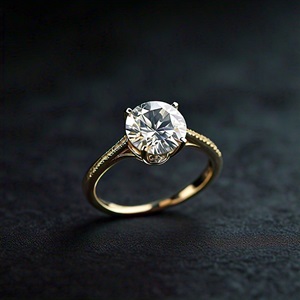

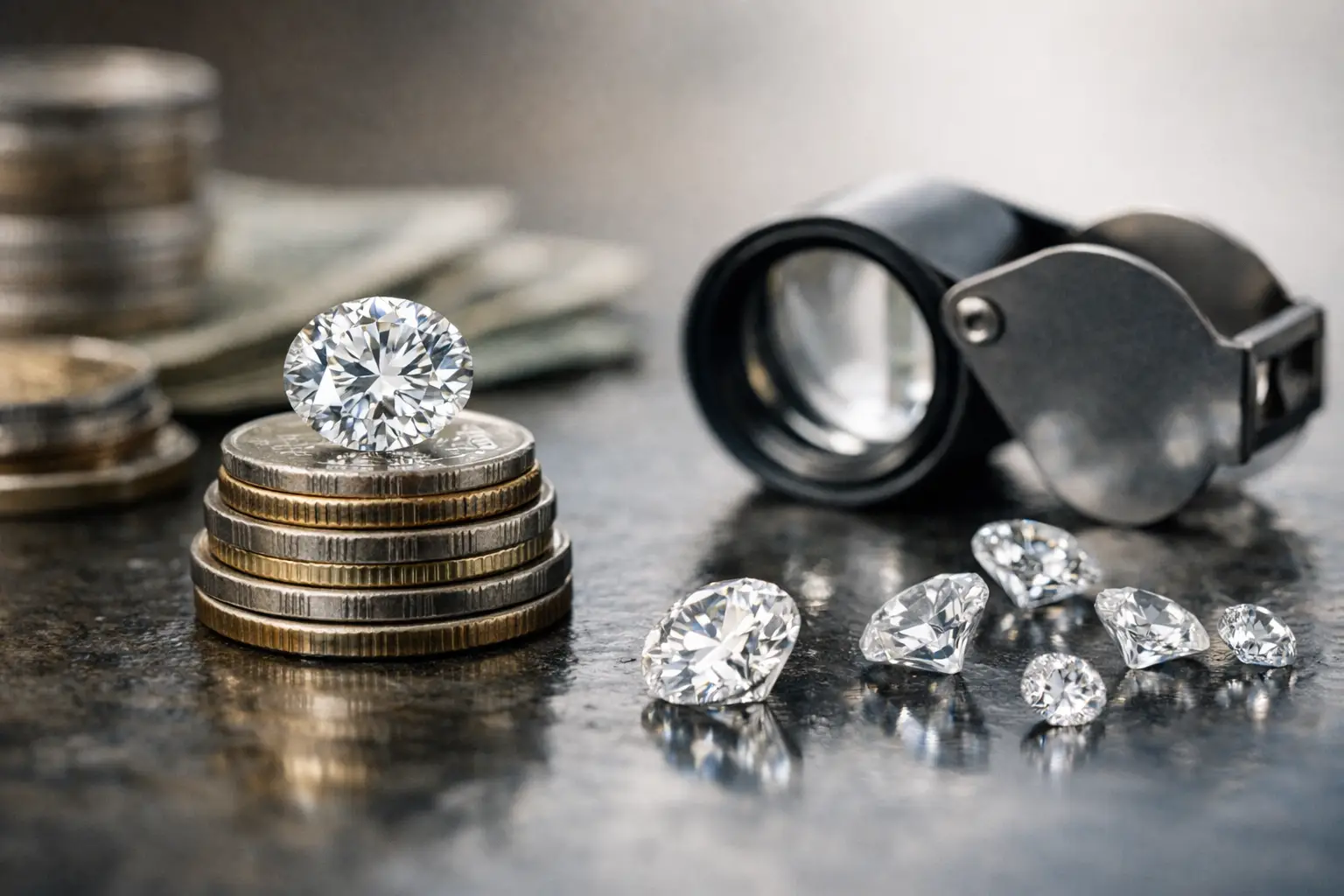
If you have started comparing diamonds online or visiting jewellers, you have probably noticed one thing straight away – prices can vary wildly. So, how much should a diamond cost? The honest answer is that a diamond should cost enough to deliver the right balance of beauty, quality, and long-term value for your budget, without paying for specifications that do not enhance its appearance once worn.
That matters even more when you are buying for an engagement, an anniversary, a wedding band upgrade, or a piece you plan to wear for decades. A diamond is not a commodity in the simple sense. Two stones with the same carat weight can look very different, perform differently in light, and sit in very different price brackets depending on the finer details.
How much should a diamond cost in Australia?
In Australia, there is no single “correct” price for a diamond because the final cost depends on whether you choose a natural or lab-grown diamond, the shape, the quality of the cut, and how strict you are on clarity and colour. As a broad guide, smaller natural diamonds suitable for fine jewellery may start in the low thousands, while well-cut larger stones for engagement rings can quickly reach five figures. Lab-grown diamonds often allow buyers to secure a larger or higher-grade stone for significantly less.
The more useful question is not simply what a diamond costs, but what you are paying for. Price should reflect visible beauty first. If a diamond is graded highly on paper but looks underwhelming in person, it is not a good value. By contrast, a carefully sourced diamond with excellent light performance can represent outstanding value even if it is not the cheapest option on the market.
The factors that have the biggest impact on diamond price
Most buyers know the four Cs – carat, cut, colour and clarity – but they are not all equally important when it comes to beauty and value.
Cut is where value is won or lost
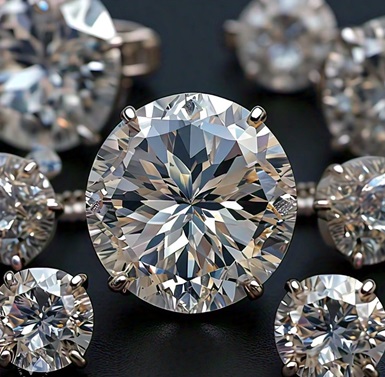
If there is one area worth prioritising, it is cut. A well-cut diamond returns light beautifully, giving you the brightness, fire, and scintillation people usually associate with a premium stone. A poorly cut diamond can appear dull or smaller than its carat weight suggests.
This is why two diamonds with similar certificates can perform very differently. It is also why experienced sourcing matters. Buying purely by specs can lead to overpaying for carat weight while sacrificing the liveliness that makes a diamond impressive on the hand.
Carat drives price quickly
Carat weight has a strong effect on price, especially at milestone weights such as 0.50ct, 1.00ct, 1.50ct and 2.00ct. Prices do not rise in a straight line. They tend to jump at these benchmark sizes because demand is so strong.
If you want to maximise value, buying just below a milestone can make sense. A diamond weighing 0.90ct or 1.80ct may look very close in size to the next bracket once set, but cost noticeably less.
Colour and clarity should be chosen with restraint
Higher colour and clarity grades are desirable, but there is a point at which you may be paying for rarity rather than a visible benefit. For many buyers, a diamond that appears white and eye-clean offers the best balance.
That means you do not always need the top grade. Depending on the shape and size, moving slightly lower in colour or clarity can free up budget for a better cut or a larger stone, often with little to no visible compromise.
Shape changes the price too
Round brilliant diamonds are usually the most expensive shape because they are in the highest demand and require more rough diamond to be cut away during manufacturing. Fancy shapes such as ovals, pears, cushions, and emeralds can offer better value per carat, though each has its own buying considerations.
Some shapes also appear larger face-up than others. An oval or pear, for example, can give you more visual spread for your budget than a round brilliant of the same weight.
Natural vs lab-grown diamonds
For many Australian buyers, this is now one of the biggest pricing decisions. Natural diamonds are rarer and generally command a higher price. Lab-grown diamonds have the same essential physical and visual characteristics but are created in controlled conditions, making them more affordable.
If your priority is securing the largest possible diamond within a set budget, lab-grown can be compelling. If your focus is natural rarity, long-established market appeal and the story of a mined diamond formed over time, natural may still be the preferred choice.
Neither option is automatically right for everyone. What matters is being clear about your priorities. Some clients want the biggest visual impact for a proposal or anniversary ring. Others place greater value on natural origin and are comfortable choosing a smaller carat weight to secure it.
What is a sensible budget for a diamond?
A sensible budget is one that feels comfortable for your finances and is aligned with the piece you are buying. The old rules about spending a fixed number of months’ salary are outdated and not especially helpful. Most buyers today are far more considered. They want quality, but they also want perspective.
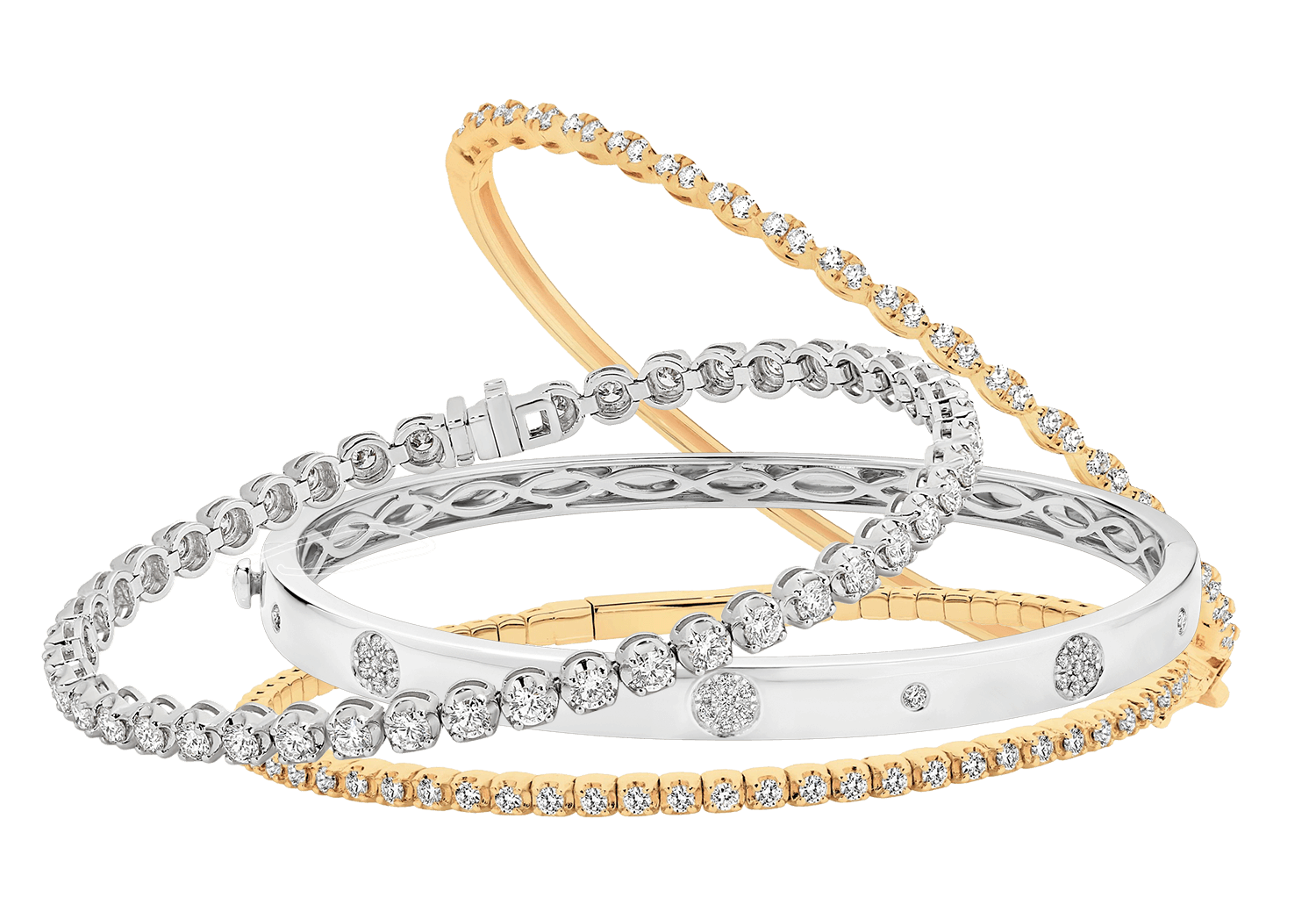
For an engagement ring centre stone, many Australian buyers start by identifying a realistic overall ring budget, then allocating the largest share of that budget to the diamond itself. If the piece is a pair of diamond studs, a tennis bracelet, or a pendant, the budget split may differ because metal weight, design, and matching also matter.
It often helps to work backwards from what matters most. If size is your priority, you may accept a slightly softer colour or a slightly wider clarity range. If you care about a crisp white look in platinum or white gold, colour may deserve more attention. If you want a timeless solitaire intended for lifelong wear, cut quality should sit near the top of the list.
How to avoid overpaying
The easiest way to overpay is to chase paper grades without understanding what you will actually see. A diamond can look beautiful without being internally flawless or at the very top of the colour scale. It can also be overpriced if the cut is mediocre, but the carat weight sounds impressive.
Another common mistake is comparing diamonds only by headline figures. Certificate details matter, but so does the overall make of the stone, its proportions, light return and visual appeal. This is where specialist guidance becomes valuable, particularly for milestone purchases that involve emotion as well as money.
At Forever by Temptation, the advantage of experienced sourcing is that clients can compare options with real buying insight rather than relying on generic retail mark-ups or broad online filters.
How much should a diamond cost for an engagement ring?
For an engagement ring, the diamond should cost enough to give you confidence every time you wear it. That does not mean stretching beyond your means. It means selecting a stone that looks beautiful in its setting, suits the wearer’s style, and reflects the occasion’s significance.
A classic solitaire, for example, puts the centre diamond on full display, so cut and overall visual quality matter enormously. In a halo setting, the centre stone may appear larger, which can be a smart way to create impact at a more moderate price point. If you are choosing between natural and lab-grown, the right answer may come down to whether sentiment, rarity, size or budget is leading the decision.
There is rarely value in buying the biggest diamond you can technically afford if the quality is disappointing. Equally, there is no need to pay for elite grades that do not meaningfully improve the appearance once the ring is on the hand.
The best way to judge value
Good diamond value is not about finding the cheapest stone. It is about finding the best-looking diamond for the money you want to spend. That requires more than a certificate. It requires careful comparison, an understanding of which qualities actually show, and a willingness to make smart trade-offs.
The strongest purchases tend to come from buyers who stay focused on the outcome. They want a diamond that faces up beautifully, suits the jewellery design, and feels worthy of the moment. That is a far better benchmark than any outdated spending rule.
If you are weighing up your options, start with the result you want to see on the hand, around the neck or in the ear. Then let quality, not just numbers, guide the budget. A well-chosen diamond should feel special long after the receipt is forgotten.