
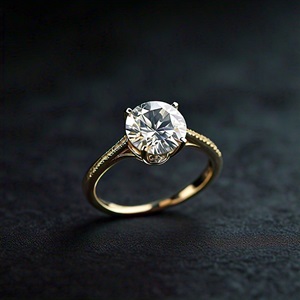

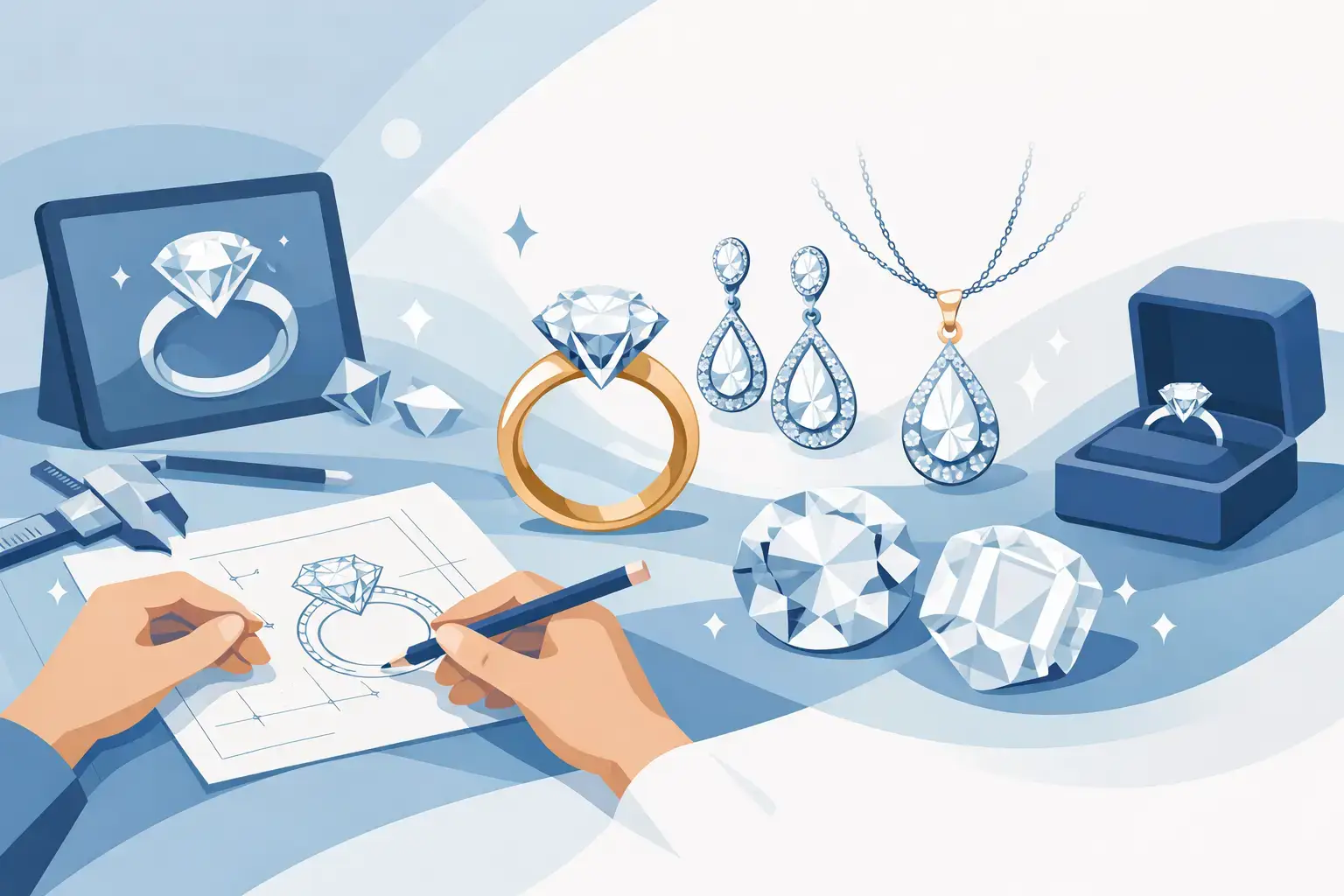
A milestone piece should never feel off-the-shelf. Whether you are choosing an engagement ring, remodelling inherited diamonds or marking an anniversary with something genuinely personal, custom diamond jewellery design gives you far more than aesthetic freedom. It gives you control over the diamond, the setting, the proportions and, just as importantly, how the piece will wear over time.
That matters because fine jewellery is rarely an impulse purchase. It is emotional, valuable and expected to last. A custom approach lets you shape the piece around the occasion, the wearer and the budget, rather than trying to make a standard design fit after the fact.
Why custom diamond jewellery design appeals to serious buyers
The biggest advantage of custom work is precision. You are not limited to what happens to be sitting in a display case. You can choose the overall look first, then match the right diamond or diamonds to that design, instead of compromising on size, cut or setting style just to secure a finished piece quickly.
For many buyers, that level of control is especially useful when comparing natural and lab-grown diamonds. The decision is not always simply about price. Some clients prioritise rarity and long-term significance, while others want to maximise visual impact within a set spend. A bespoke process allows those priorities to be weighed properly, with guidance on cut, clarity, colour and carat that reflects how the finished jewellery will actually look when worn.
There is also the matter of proportion. A diamond can be impressive on paper and still feel underwhelming in the wrong design. The opposite is true as well. A well-cut stone, thoughtfully set, often looks more elegant and more substantial than a larger diamond in a poorly balanced setting. This is where experience in sourcing and design makes a noticeable difference.
What makes a custom piece successful
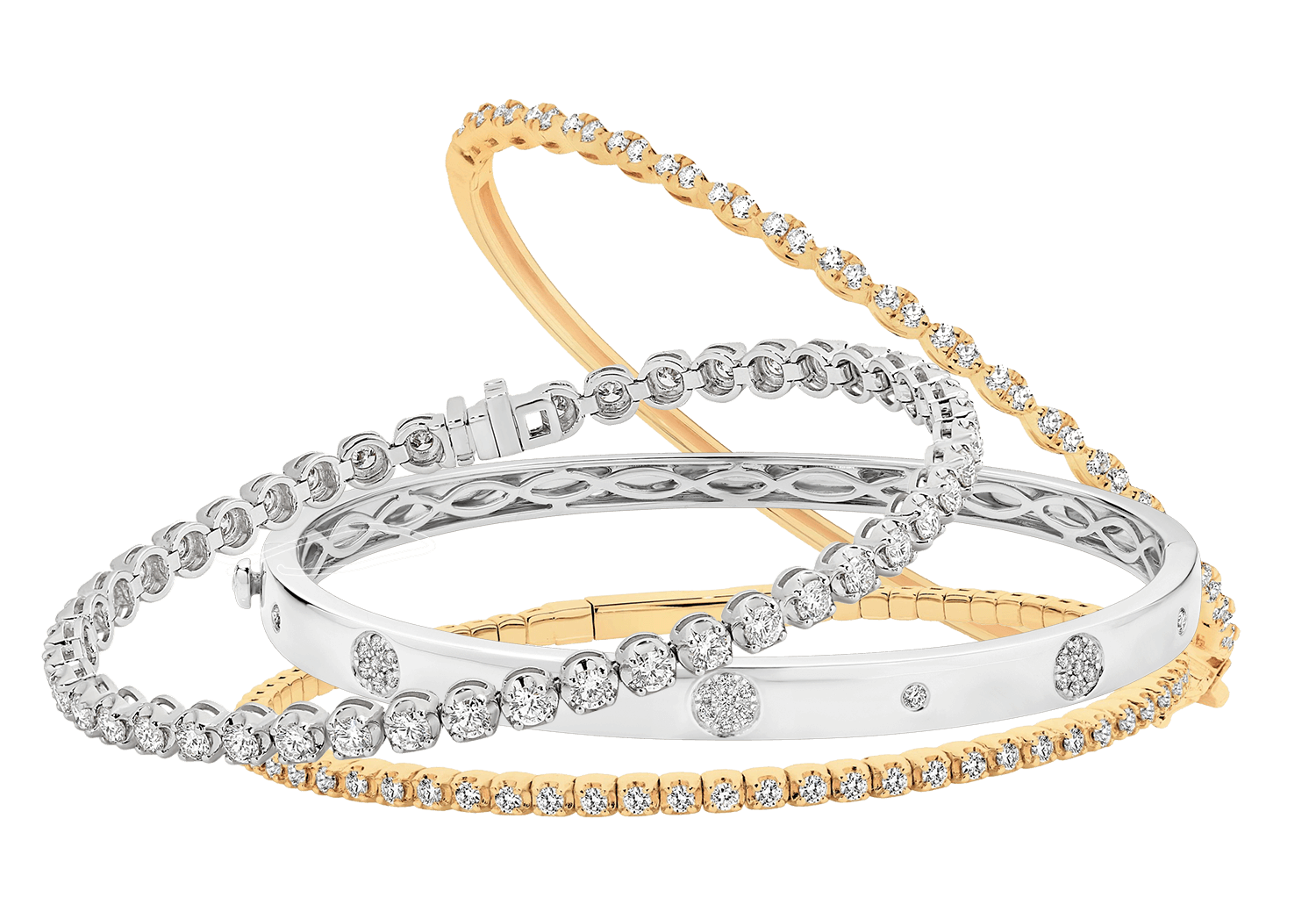
A successful custom piece starts with the wearer, not the trend. Jewellery intended for daily wear needs different considerations from jewellery designed for occasional events. An engagement ring for someone who uses their hands constantly may need a lower setting profile and a practical band shape. Diamond earrings for regular wear need the right size, spread and backing for comfort. A tennis bracelet needs flexibility, security and consistency across every stone.
Style is only one part of the decision. The metal, setting height, claw shape, band width and finish all affect the final result. A solitaire in 18ct yellow gold creates a different character from the same diamond in platinum or white gold. A halo can add presence, but it is not always the right choice if the wearer prefers clean lines. An eternity ring can be beautiful, but the ideal format depends on whether comfort, stackability or full-diamond coverage is the priority.
Good custom design is not about adding more detail. It is about making the right details work together.
Custom diamond jewellery design starts with the diamond
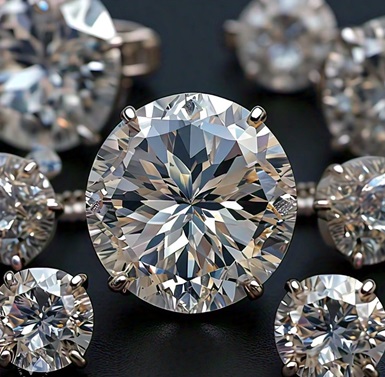
When the design centres on diamonds, sourcing is where value is often won or lost. Many buyers focus first on carat weight because it is easy to compare, but carat alone never tells the full story. Cut quality has a major effect on brightness, fire and life. In practical terms, that means a slightly smaller, better-cut diamond can outperform a larger stone that lacks sparkle.
Clarity and colour should also be judged in context. The “best” grade is not always the smartest purchase. In some designs, a well-selected diamond with inclusions that are not visible to the eye offers excellent value. In others, especially larger solitaires or certain earring styles, stepping up in clarity may be worthwhile. Colour can be similar. A warmer diamond may look beautiful in yellow gold, while a cooler white metal setting might call for a different balance.
This is why bespoke work is most effective when design and sourcing happen together. The diamond should suit the jewellery, and the jewellery should flatter the diamond.
The role of cut, clarity, colour and carat
These four factors still matter, but not equally in every piece. For a solitaire ring, cut quality often has the strongest visual impact. For tennis bracelets or diamond necklaces, consistency across the stones can matter more than chasing the highest individual grade. For earrings, face-up appearance and matched pairing are crucial.
An expert jeweller should help you decide where to invest and where to be more flexible. That is often the difference between a piece that simply looks expensive and one that looks beautifully considered.
Designs that suit bespoke work best
Some jewellery categories benefit from customisation more than others. Engagement rings are the obvious example because they carry personal meaning and need to suit daily life. Wedding bands and eternity rings also lend themselves to bespoke decisions around profile, diamond coverage and how they sit beside an existing ring.
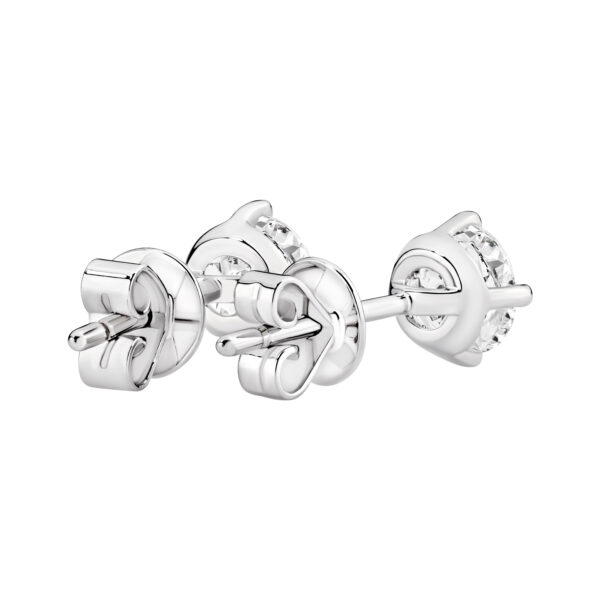
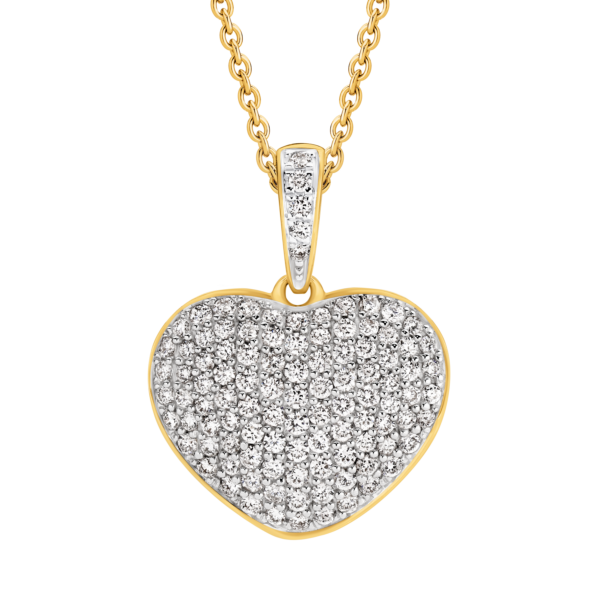
Diamond stud earrings are another strong candidate for custom work. Matching matters, and so does getting the balance right between total carat weight, spread and wearability. The same applies to pendants and necklaces, where chain length, setting style and diamond shape all change the overall feel.
Bracelets can be more technically demanding. A diamond bracelet must combine elegance with structural reliability, especially if it is intended for regular wear. In custom work, small engineering choices matter just as much as appearance.
How the process should feel
Custom jewellery should feel clear and collaborative, not intimidating. The process usually begins with a conversation about the occasion, style preferences, budget and timing. From there, the jeweller helps refine the concept, recommend suitable diamonds and explain the trade-offs involved.
That trade-off discussion is important. Every budget has a natural point where a buyer may prefer a larger centre stone over more elaborate side detailing, or choose a stronger cut grade over a higher colour. There is no single correct formula. The right choice depends on what the wearer will notice most and value most over the years.
Transparency is essential here. Clients making a meaningful purchase want to understand what they are paying for and why one diamond or setting recommendation is stronger than another. A polished service matters, but honest guidance matters more.
Why craftsmanship matters after the sale
A custom piece is judged not only at handover but years later. Claw work, stone setting, polish, band thickness and finishing standards all affect durability. Jewellery that looks refined in the box but wears poorly is not well made, no matter how appealing it seemed at first.
This is one reason many buyers prefer a specialist jeweller over a chain retailer. Bespoke craftsmanship, backed by genuine diamond buying experience, gives greater confidence that the piece has been built with longevity in mind.
At Forever by Temptation, that approach is shaped by more than 35 years of diamond buying experience and direct sourcing access, which helps clients secure quality-driven outcomes without losing sight of budget.
Who custom jewellery is right for
Custom work is ideal for buyers who know they want something personal, but it is equally valuable for those who are still narrowing their options. You do not need to arrive with a fully formed sketch. In many cases, clients simply know the feeling they want the piece to have – classic, modern, understated, substantial – and need expert help translating that into the right design.
It is also a strong option for people working within a specific spend. Contrary to assumption, bespoke does not automatically mean excessive. When diamond sourcing and design are handled carefully, custom jewellery can be an efficient way to direct budget towards the features that matter most rather than paying for compromises built into pre-made stock.
There are, of course, times when ready-to-wear is the better fit. If timing is extremely tight or the perfect piece already exists, a finished design can be the sensible choice. The value of custom lies in fit, precision and intention – not in forcing a bespoke solution where it is unnecessary.
Choosing a jeweller for custom diamond jewellery design
The right jeweller should combine design capability with diamond expertise. That means more than offering setting options. It means being able to source diamonds well, explain quality clearly and recommend combinations that make sense visually and financially.
Look for practical confidence rather than sales language. You want someone who can explain why a certain oval works better in one setting than another, why a particular clarity grade is sufficient for the eye, or why increasing cut quality will do more for sparkle than simply chasing extra carat weight. Those details protect the purchase.
A custom diamond piece should feel distinctive because it suits the person wearing it, not because it is trying too hard to be different. When the design, diamond quality and craftsmanship are aligned, the result is something rarer than novelty – it is jewellery you will still be glad you chose years from now.
[…] band so the stone keeps a bright white presentation from above. This is a good example of where custom design can make a noticeable […]