
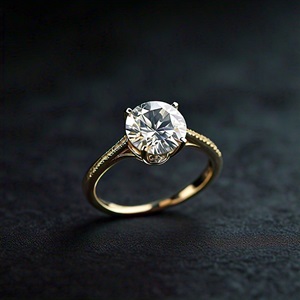

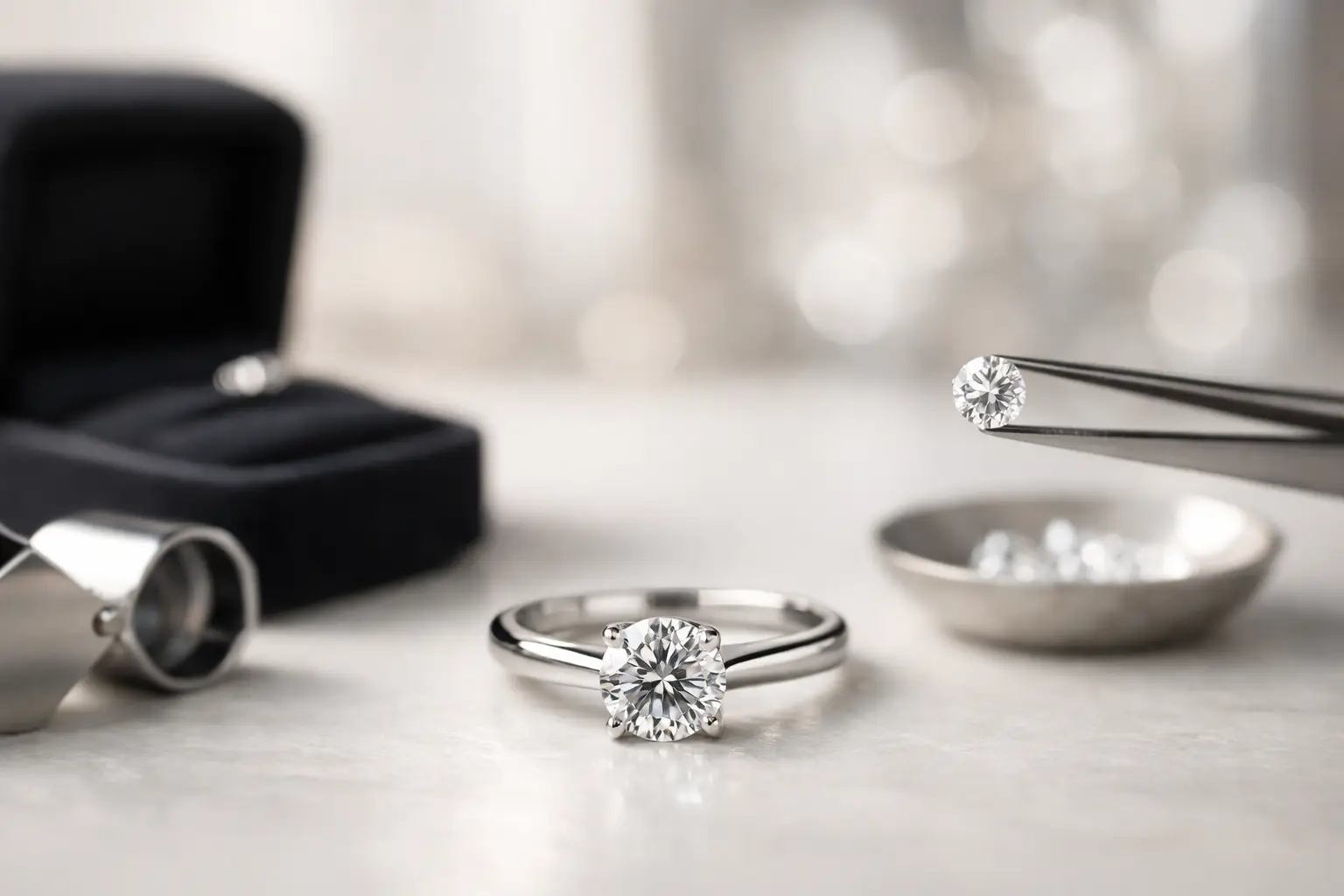
A solitaire ring can look deceptively simple. One centre stone, a clean setting, and a timeless profile – yet small decisions in cut, proportions, metal and craftsmanship can make a major difference to how the ring looks on the hand and how well it wears over time. That is exactly why a solitaire ring buying guide matters. When you are making a milestone purchase, simplicity should feel reassuring, not limiting.
A well-chosen solitaire ring has very little to hide behind. There are no halo diamonds or elaborate design details distracting from the centre stone. The diamond, the setting and the overall balance need to be right. For engagement rings, anniversary gifts or a significant personal purchase, this style remains one of the strongest choices because it is elegant, versatile and enduring.
Why a solitaire ring remains the benchmark
The appeal of a solitaire lies in restraint. It puts the focus entirely on the centre diamond, which makes quality more visible than in many other ring styles. If the cut is lively, the ring will feel bright and refined. If the proportions are off, the same ring can appear dull or smaller than expected.
That also means the solitaire often suits buyers who want a ring that will still look relevant decades from now. Fashion-led designs can date quickly. A solitaire, especially in a well-made four or six-claw setting, is far less likely to feel tied to a moment. It also pairs easily with wedding bands and eternity rings, which matters if you are building a set over time.
Solitaire ring buying guide: start with the diamond cut
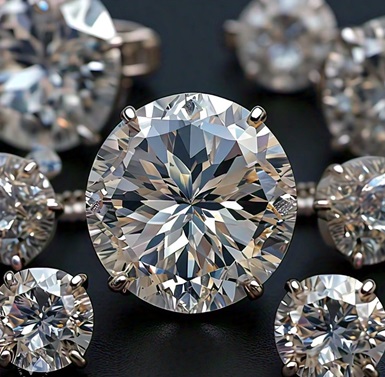
If there is one area to prioritise, it is cut. Buyers often focus first on carat weight because it sounds like the simplest measure of value, but cut has the greatest influence on sparkle, visual size and overall beauty. A well-cut diamond reflects light, giving the ring life. A heavier diamond with poor cut can look flat beside a smaller stone with stronger proportions.
For round brilliant solitaires, cut precision is particularly important because the shape is designed for maximum light return. In fancy shapes such as ovals, pears, emeralds, or cushions, the ideal balance shifts slightly. Some buyers prefer a long oval for finger coverage, while others are drawn to the clean, hall-of-mirrors effect of an emerald cut. Neither is universally better – it depends on whether brilliance, shape, presence or a more understated look matters most to you.
This is where expert sourcing becomes valuable. On paper, two diamonds may appear similar in carat, colour and clarity, yet perform very differently in person. The right guidance helps narrow the options to stones that not only meet the grading criteria but also present beautifully in a solitaire setting.
Choosing the right carat weight for your budget
Carat weight matters, but it should be considered alongside cut, shape and finger size. Many buyers set a target, such as one carat, one and a half carats, or two carats, and build the whole purchase around that number. Sometimes that works well. Sometimes it leads to compromises in cut or spread that are not worth making.
A solitaire ring should look balanced rather than simply large. Depending on the shape, a slightly lower carat weight with better proportions can face up more attractively than a heavier stone. Budget also stretches differently across shapes. Ovals, pears, and cushions can offer greater visual spread for the weight, while round brilliants often command a premium due to demand and cutting losses.
If value is a major factor, it can make sense to compare natural and lab-grown diamonds side by side. For many buyers, lab-grown diamonds allow for a larger or higher-quality centre stone within budget. For others, natural diamonds remain the preferred choice because of rarity and long-held sentimental appeal. There is no one-size-fits-all answer. The right decision comes down to priorities, budget and how you define value in a piece intended for long-term wear.
Colour and clarity: where to compromise and where not to
In a solitaire, the centre stone is fully exposed, so colour and clarity need careful thought. That does not mean you always need the highest grades. It means you need the right grades for the shape, setting and metal colour you have chosen.
With round brilliant diamonds, many buyers can select a slightly lower colour grade and still achieve a bright white appearance, especially once the stone is set. Yellow gold can also make a warmer colour grade look entirely appropriate. In platinum or white gold, a lower colour may be more noticeable, particularly in larger stones.
Clarity should be judged by visibility, not just the certificate. An eye-clean diamond can represent excellent buying. In contrast, paying a premium for a very high clarity grade may deliver little visible benefit once the ring is worn. Step-cut shapes such as emerald and Asscher cuts usually show inclusions more readily than brilliant cuts, so they often require more careful clarity selection.
The setting changes the entire look
The setting is not just a frame. It affects security, profile, how large the diamond appears, and how the ring sits beside a wedding band. A classic claw setting remains the most popular for good reason. It allows plenty of light into the stone and keeps the design clean.
Four claws can create a slightly more open, delicate look and may make certain shapes appear more prominent. Six claws often give a round brilliant a more traditional profile and a little extra visual security. A bezel setting offers a modern, protective finish and can be ideal for someone with a more hands-on lifestyle, though it alters the diamond’s appearance and usually reduces that airy, elevated solitaire feel.
Height matters too. A high-set solitaire can maximise light and make the centre stone stand out, but it may catch more easily in day-to-day wear. A lower profile setting can be more practical, especially for clients who want comfort and wearability every day. The best option depends on how the ring will be worn, not just how it looks in a display image.
Metal choice: match the ring to the style and wear
Metal choice influences both appearance and maintenance. Platinum is valued for its naturally white tone, density and durability. It is an excellent match for buyers who want a premium, substantial feel. White gold offers a similar visual effect at a different price point, while yellow gold provides warmth and classic contrast against a white diamond.
Rose gold has a softer, more contemporary character, though it is a more personal taste. For a solitaire, 18ct gold remains a strong choice because it balances luxury with suitability for fine jewellery. The key is to consider your usual jewellery wardrobe, your skin tone, and whether you want the diamond to blend softly with the setting or stand out in sharper contrast.
Craftsmanship matters more in a solitaire
Because the design is pared back, finishing quality becomes more obvious. Uneven claws, poor symmetry, awkward proportions or a weak band can all affect the final look. A solitaire should feel precise. The centre stone should sit straight, the claws should be neat and proportionate, and the ring should feel substantial enough for daily wear.
This is one reason many buyers prefer a jeweller who can source the diamond and create the ring with the final design in mind. It allows the setting to be built around the chosen stone rather than forcing a premium diamond into a generic mount. For buyers in Sydney seeking a more personalised process, that level of attention often provides greater confidence than buying purely by specification alone.
Solitaire ring buying guide: buying online vs personalised service
Online browsing is useful for comparing styles, shapes and price points. It gives you a sense of what appeals visually and how different diamond sizes present. But for a solitaire, where subtle quality differences carry weight, a personalised consultation often adds real value.
Photographs and certificates cannot always show how a diamond performs in natural light, how a setting sits on the hand, or whether a ring has the proportion and refinement expected at this level. A consultative approach can also help if you are torn between natural and lab-grown diamonds, unsure which shape best suits the wearer, or wanting to create something bespoke rather than choose a standard design.
At Forever by Temptation, that process is centred on sourcing quality-first diamonds within budget, rather than pushing buyers towards a preset formula. For milestone jewellery, that guidance can be the difference between a ring that looks good on paper and one that feels right every time it is worn.
What to decide before you buy
Before committing, be clear on four things: your budget range, whether you prefer natural or lab-grown, your preferred shape, and how the ring will be worn day to day. Those answers make the selection process far more efficient and stop you from comparing options that were never suited to your priorities.
It also helps to think long-term. A solitaire ring is rarely a short-term purchase. It should suit the wearer now, work with future wedding or stacking bands, and still feel elegant years from today. The right ring is not always the biggest or the most expensive. It is the one with the best balance of beauty, quality and practicality for the person wearing it.
A solitaire rewards careful buying. When the diamond is chosen well, and the ring is crafted properly, the result is effortless – which is exactly how a timeless piece should feel.