

A diamond can be exceptional on paper, but the metal around it has a major say in how the ring looks, wears and lasts. When clients ask us about the best metals for diamond rings, they are usually weighing three things at once – appearance, durability and long-term value. The right choice depends on your lifestyle, your design preferences and how you want the diamond itself to present.
For an engagement ring, wedding band or anniversary piece that will be worn for years, the metal is never a minor detail. It affects the ring’s colour balance, maintenance needs, structural strength and overall feel on the hand. A well-chosen metal supports the diamond rather than competing with it.
What makes the best metals for diamond rings?
There is no single metal that suits every diamond ring. The best option is the one that fits the wearer, the setting style and the level of daily wear the piece will see.
For most buyers, the key considerations are durability, colour, purity, maintenance and budget. A ring worn every day needs a metal with enough strength to hold stones securely over time. Colour matters just as much. White metals can make a white diamond appear bright and crisp, while yellow or rose tones can create warmth and contrast. Purity affects value and composition, and maintenance influences how much upkeep the ring will need over the years.
This is why professional guidance matters. Two rings may look similar in a display, but their performance after five or ten years of wear can be very different depending on the alloy and craftsmanship.
Platinum
Platinum remains one of the most sought-after choices for premium diamond rings, particularly for clients who want strength, rarity and a naturally white finish. It is a dense precious metal that feels substantial in the hand, and it does not rely on plating to maintain its white appearance.
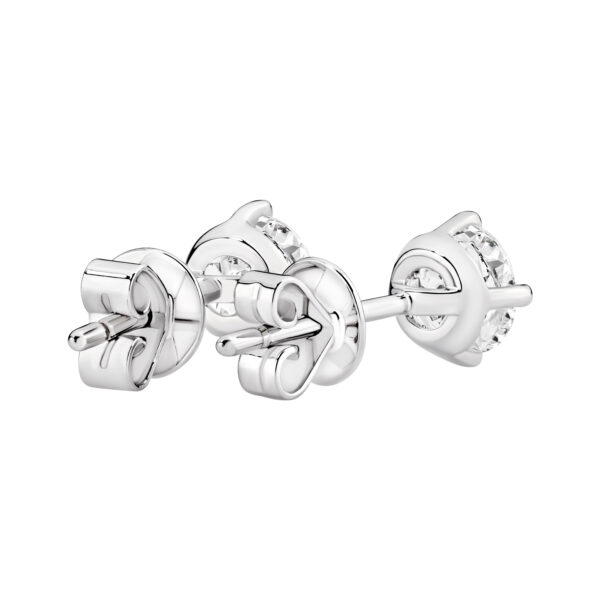
One of platinum’s main advantages is security. Because of its density, it is highly regarded for claw settings and fine diamond work where long-term stone retention matters. If a platinum ring is scratched, the metal is generally displaced rather than worn away quickly, which can be appealing for heirloom-quality pieces.
Its appearance is understated and sophisticated. Platinum suits round solitaires, oval diamonds, emerald cuts and intricate pavé designs particularly well because it allows the diamond to remain the visual focus.
The trade-off is cost. Platinum is typically more expensive than gold and heavier on the finger. Some clients love that weight because it feels luxurious, while others prefer a lighter ring. Platinum also develops a soft patina with wear. Many people appreciate that lived-in finish, but if you prefer a bright, polished look, occasional professional refinishing will help maintain it.
18ct white gold
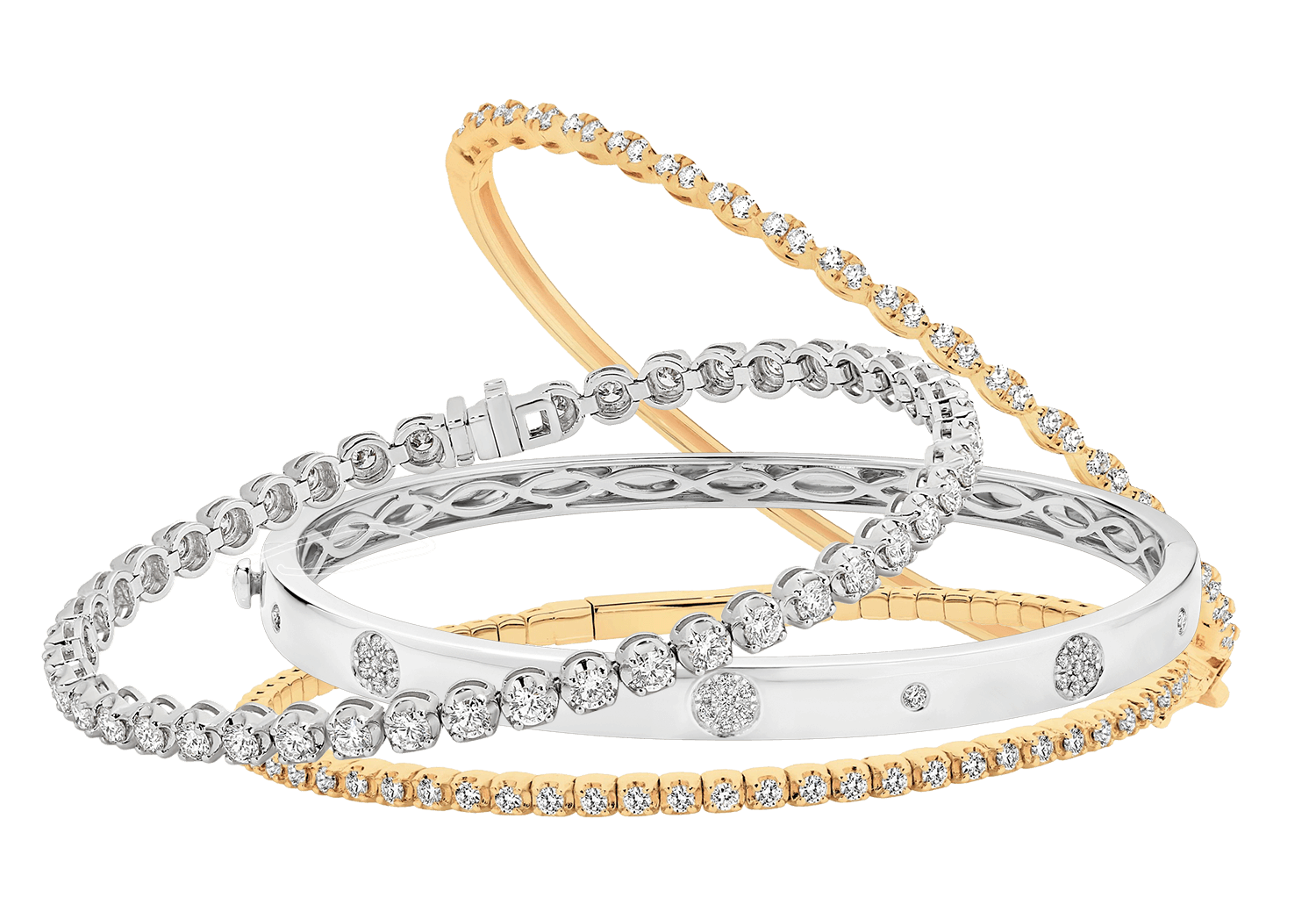
For many Australian buyers, 18ct white gold is one of the best metals for diamond rings because it balances prestige, beauty and value. It offers a bright white appearance that complements colourless and near-colourless diamonds beautifully, and it suits both classic and contemporary designs.
18ct white gold contains a high proportion of pure gold, mixed with white alloys, giving it a refined look while retaining the richness associated with fine jewellery. It is an especially strong choice for engagement rings where clients want a premium finish without moving to platinum.
Most white gold rings are rhodium-plated to achieve their crisp white surface. This gives the metal a clean, luminous look when new, but it also means maintenance will be required over time. Depending on wear, the rhodium finish may need refreshing to keep the ring looking its best.
That is not necessarily a drawback. For many buyers, periodic maintenance is a perfectly reasonable trade-off for the look and price point of 18ct white gold. It is also versatile across setting styles, from solitaire rings to halos and diamond-set bands.
18ct yellow gold
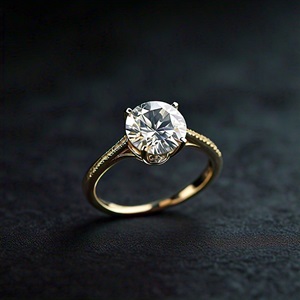
18ct yellow gold has a timeless appeal and has seen a strong return among buyers who want warmth, character and a more traditional fine jewellery look. It works particularly well for those who appreciate classic design or want a ring with a little more visual distinction than a standard white metal setting.
Yellow gold can create a beautiful contrast with white diamonds. In some designs, the warmth of the band makes the centre stone appear even brighter. This is particularly effective in vintage-inspired settings, bezel designs and statement solitaires.
Another advantage is maintenance. Unlike white gold, yellow gold does not require rhodium plating to preserve its colour. It will still develop signs of wear over time, as all precious metals do, but its natural tone remains consistent.
The main consideration is how the diamond is set. For clients choosing a very high-colour diamond, some jewellers may recommend white claws with a yellow gold band so the stone keeps a bright white presentation from above. This is a good example of where custom design can make a noticeable difference.
18ct rose gold
18ct rose gold offers a softer, romantic look and has become a popular choice for engagement rings and bespoke diamond pieces. Its blush tone can feel distinctive without being overly fashion-driven, especially when used in elegant, minimal settings.
Rose gold is created by blending pure gold with copper alloys, which produce its warm pink hue. It pairs beautifully with certain skin tones and can bring a subtle warmth to the overall design. For clients who want something individual but still enduring, rose gold often feels like the right middle ground.
In terms of wearability, rose gold is generally durable and suitable for daily use. It also does not need rhodium plating, which reduces one aspect of ongoing maintenance. The main consideration is aesthetic rather than structural. Rose gold changes the personality of a ring more than white metals do, so it is best chosen when you genuinely love that warmth rather than simply following a trend.
Are lower-carat gold options worth considering?
Some buyers ask about 9ct or 14ct gold when comparing diamond ring metals. These options can be suitable in certain circumstances, especially where budget is a stronger factor, but for milestone jewellery intended for long-term wear, 18ct gold is often preferred.
The reason is both practical and emotional. Higher-carat gold offers a richer precious-metal content and a more luxurious finish, which suits the significance of an engagement ring or anniversary piece. Lower-carat alloys can be harder due to their metal mix, but they do not carry quite the same fine jewellery character.
For a piece that marks a major life event, many clients feel more confident investing in platinum or 18ct gold, particularly when the ring is designed to be treasured for decades.
Matching metal to diamond shape and setting
Metal choice should always be considered alongside the design. A platinum or white gold setting is often ideal for showcasing the crisp outlines of oval, pear, princess, and emerald-cut diamonds. The white tone keeps the focus on brightness and edge definition.
Yellow and rose gold can add depth and individuality, especially in solitaire designs, vintage settings or rings with a slightly softer visual profile. If the ring includes small accent diamonds, the metal colour can also influence how those details read from a distance.
Security matters too. Delicate claws, hidden halos and pavé bands all place different demands on the metal. This is why the best result usually comes from looking at the ring as a whole rather than choosing a metal in isolation.
How to choose the right metal for everyday wear
If the ring will be worn every day, be honest about your lifestyle. Someone who works with their hands, goes to the gym regularly or wants minimal upkeep may lean towards platinum or a practical 18ct gold design with solid construction. Someone focused on a specific look may be very happy with white gold and routine maintenance.
It also helps to think about the jewellery already worn most often. If you usually wear white-toned pieces, a platinum or white gold ring may feel more natural. If your jewellery wardrobe is built around warm metals, yellow or rose gold can feel more cohesive and personal.
At Forever by Temptation, this is often where custom guidance becomes most valuable. The best ring is not simply the one that looks impressive under showroom lighting. It is the one that still feels right after years of real wear.
The best choice is the one you will love long term
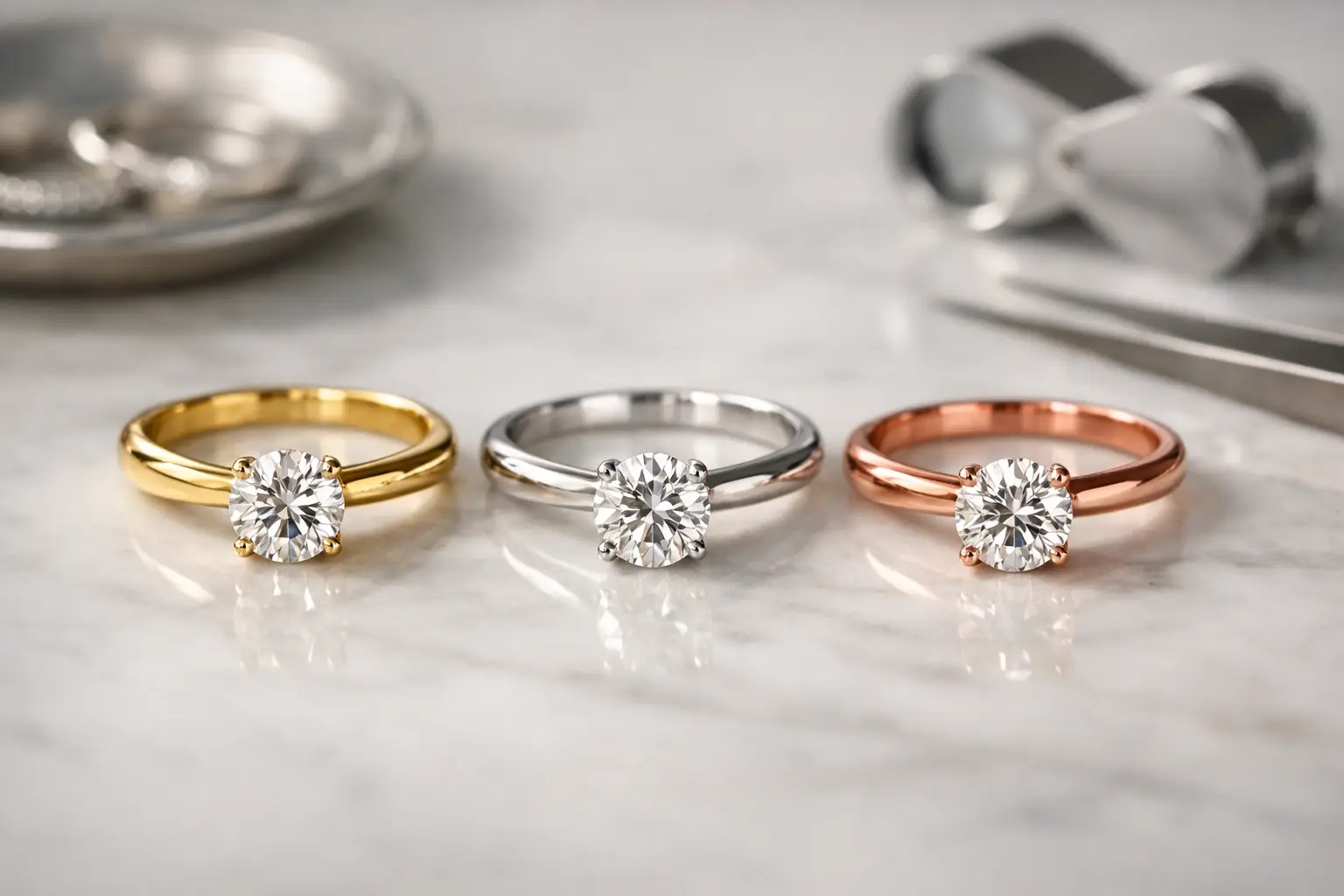
The best metals for diamond rings all have their place. Platinum offers density, rarity and a naturally white finish. 18ct white gold delivers a refined, bright look at a more accessible price point. Yellow gold brings timeless warmth, while rose gold offers softness and individuality.
A diamond ring is rarely bought for a single season of life. Choosing the right metal means thinking beyond the first impression and considering how the piece will wear, how it will suit your diamond, and how it will feel years from now every time you glance at your hand.