
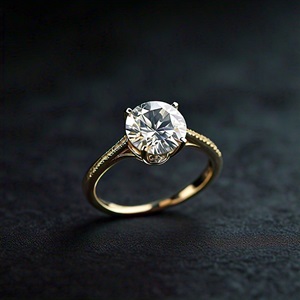

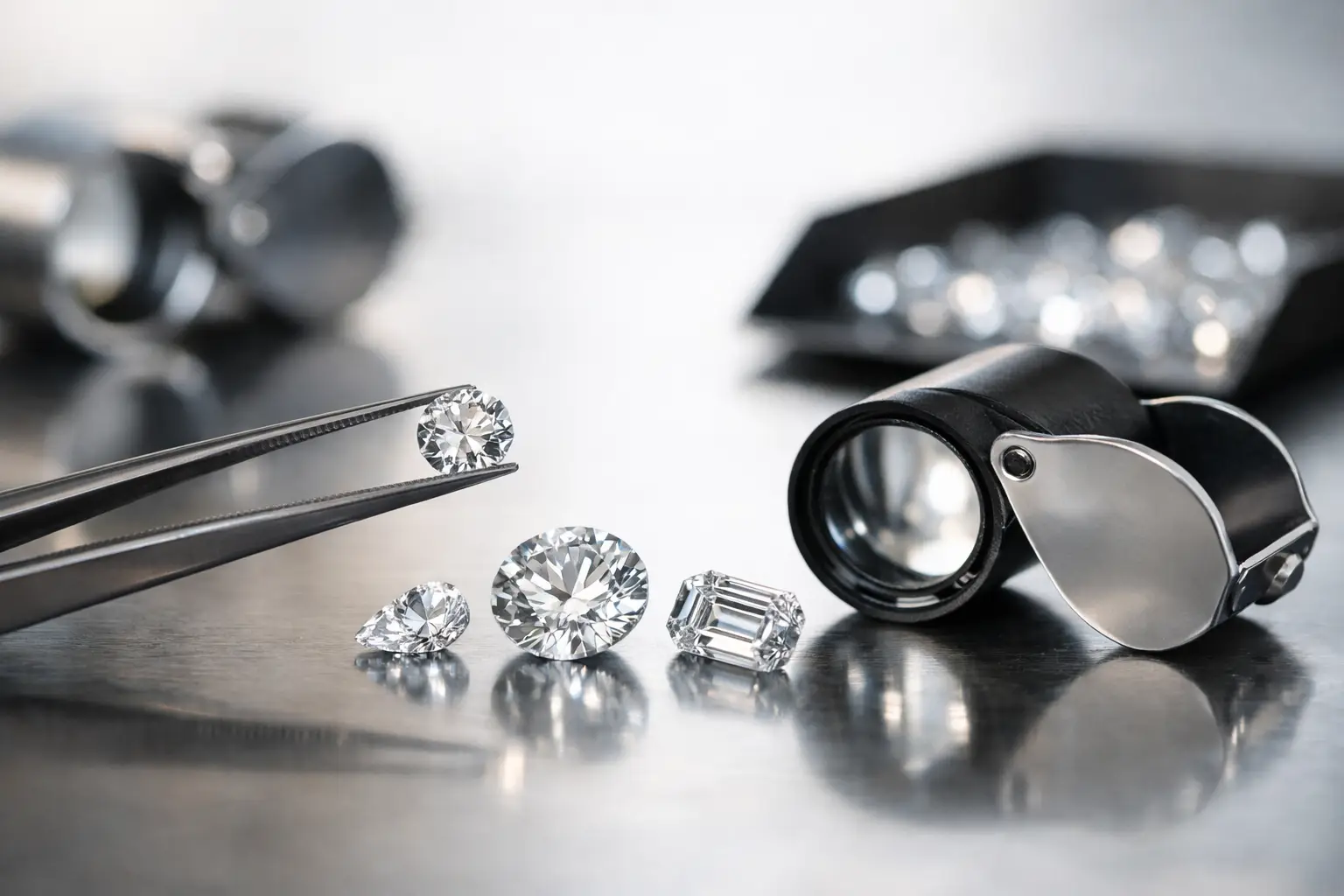
A diamond can look extraordinary in the showcase and disappoint once it is on the hand – or the opposite can happen. That is why a proper diamond buying guide matters. When you are choosing a piece for an engagement, anniversary, wedding, milestone birthday or personal collection, the goal is not simply to buy the biggest stone your budget allows. It is to buy well.
At Forever by Temptation, we often speak with clients who have spent weeks comparing certificates, carat weights and prices online, only to find that the real difference in value comes down to details that are easy to miss at first glance. A well-bought diamond balances visual beauty, quality and budget in a way that suits the jewellery it is going into and the person who will wear it.
What this diamond buying guide should help you avoid
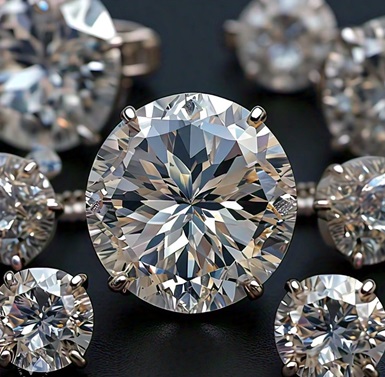
The most common mistake is treating the 4Cs as if they all carry equal weight. They do not. In most cases, cut has the greatest impact on how lively and brilliant a diamond appears. A slightly smaller diamond with an excellent cut can look brighter and more impressive than a larger stone with poor proportions.
Another mistake is buying to a specification sheet rather than to the eye. Two diamonds with the same grading can still look very different. This is particularly true with clarity, where inclusions may be technically present but not visible in normal wear, and with colour, where the setting metal can influence how warm or white a diamond appears.
Start with cut, not carat
Carat gets attention because it is easy to compare, but it should not be your starting point. Cut determines how efficiently a diamond returns light. If the proportions are right, the stone will have brightness, fire and sparkle. If the proportions are poor, even a high-carat diamond can appear dull.
For round brilliant diamonds, cut quality is especially important because this shape is designed for maximum light performance. In fancy shapes such as oval, pear, emerald or cushion, cut still matters deeply, but it is judged more by visual balance, symmetry and how the stone performs in person rather than by a single cut grade.
If your budget has limits, it is often wiser to compromise slightly on carat and protect cut quality. That choice usually delivers a better-looking diamond and stronger long-term satisfaction.
Understanding colour and where you can be flexible
Diamond colour is graded on a scale, but not every buyer needs the highest colour range. The right choice depends on the shape, setting and metal colour. In white gold or platinum, many clients prefer a whiter appearance, particularly in larger stones. In yellow or rose gold, a slightly warmer diamond can still face up beautifully and represent better value.
Round brilliant diamonds tend to mask colour more effectively than some elongated or step-cut shapes. Emerald and Asscher cuts, for example, have broad open facets that can make colour more noticeable. That means a colour grade that looks perfectly bright in one shape may look warmer in another.
There is no single best colour grade for everyone. There is only the best colour for the look you want and the budget you are working within.
Clarity matters less than many buyers think
Clarity refers to internal inclusions and surface characteristics, but once a diamond is set and worn, the practical question is simple – can you see anything distracting with the naked eye? In many cases, the answer is no, even when the clarity grade is not at the very top of the scale.
This is where experienced sourcing becomes valuable. A diamond can be technically lower in clarity yet still appear clean to the eye, while another with a higher grade may have inclusions positioned in a way that is more noticeable. Size, shape and facet pattern all influence this.
For buyers who want to maximise value, eye-clean clarity is often the sweet spot. It allows more of the budget to go towards cut quality or carat without sacrificing visible beauty.
Carat weight and the reality of spread
Carat measures weight, not face-up size. Two diamonds with the same carat weight can look different in diameter or length depending on their proportions. This is especially relevant when comparing fancy shapes, where an oval, marquise or pear may appear larger on the finger than a round diamond of similar weight.
There are also pricing jumps around popular benchmark sizes. Moving just above a full-carat mark can increase price sharply, even if the visual difference is minimal. Choosing a diamond just below one of these thresholds can be a smart way to preserve value without noticeably changing how the stone looks.
That is why carat should be considered alongside millimetre measurements, proportions and finger coverage, not in isolation.
Natural or lab-grown diamonds?
For many Australian buyers, this is now one of the first questions. Both natural and lab-grown diamonds are real diamonds. They share the same chemical composition and can offer excellent beauty. The right choice depends on your priorities.
Natural diamonds appeal to buyers who value rarity, geological origin and traditional long-term significance. They are often chosen for heirloom pieces and milestone jewellery where provenance matters.
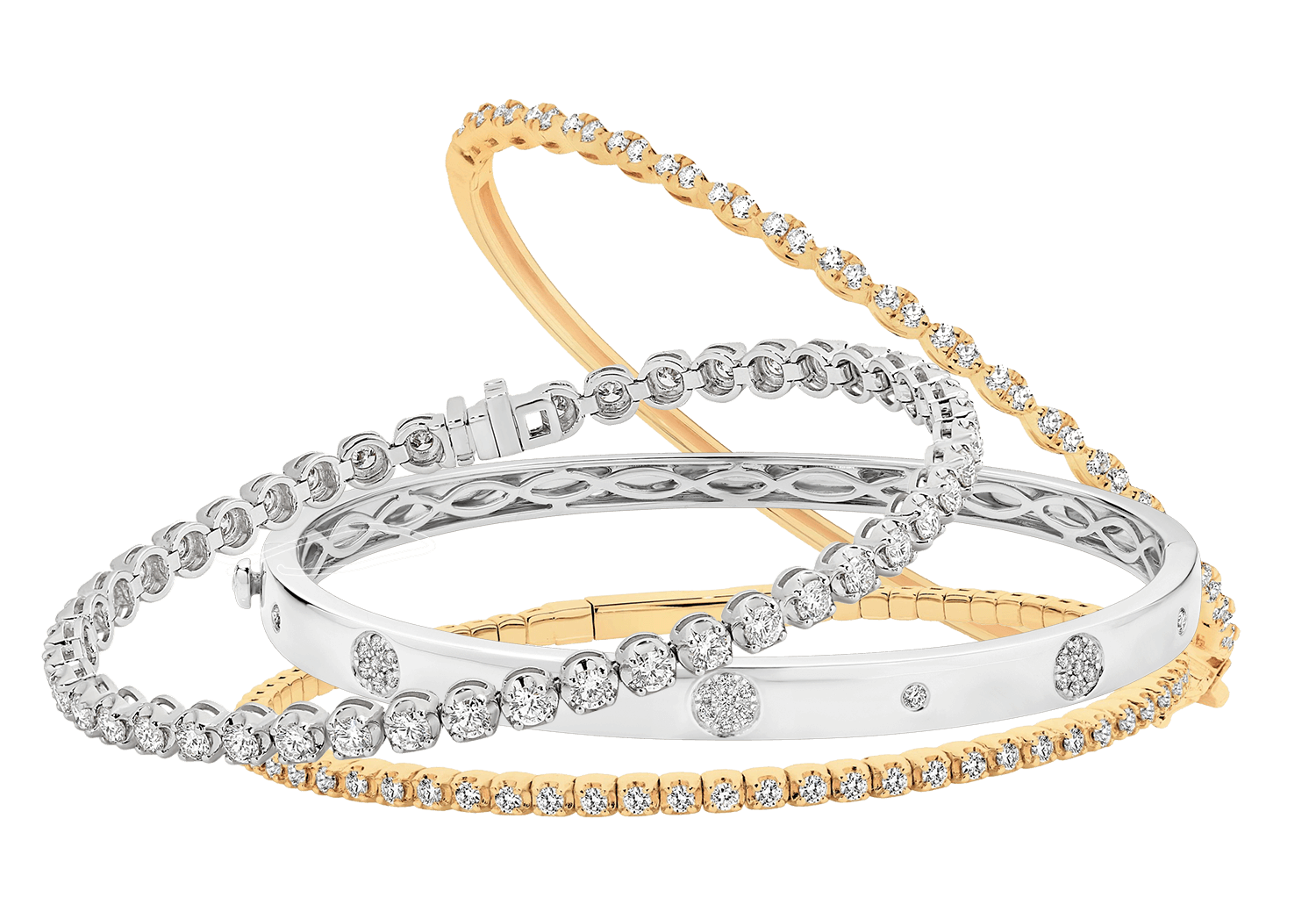
Lab-grown diamonds appeal to buyers who want more size or higher specifications for the same spend. They can be an excellent option if visual impact is the priority, particularly for earrings, tennis bracelets or larger centre stones.
The trade-off is not about whether one is real and one is not. It is about budget, rarity, emotional preference and how you define value.
Shape changes everything
A round brilliant remains the benchmark for sparkle, but shape has a strong effect on style and budget. Oval and pear shapes can elongate the finger and often provide a generous face-up look. Cushion cuts can feel softer and more romantic. Emerald cuts have a refined, architectural appearance, but because of their open facets they tend to show clarity and colour more readily.
If you are buying for an engagement ring or custom piece, shape should be chosen with the setting in mind. A halo can add presence. Claw style can affect how much of the diamond is visible. A solitaire places the diamond under greater scrutiny, which means quality choices become even more important.
Certification is essential, but not the whole story
A grading certificate provides an independent assessment of a diamond’s key characteristics and should always form part of your buying decision. It gives you a factual baseline for comparison and helps confirm what you are purchasing.
Still, a certificate does not tell you everything. It cannot fully capture the personality of a diamond, how lively it appears in natural light, or whether its proportions create exceptional visual performance. This is why buying solely from a certificate can lead to disappointing results.
The best approach is to use certification as a starting point and visual assessment as the deciding factor.
Match the diamond to the jewellery
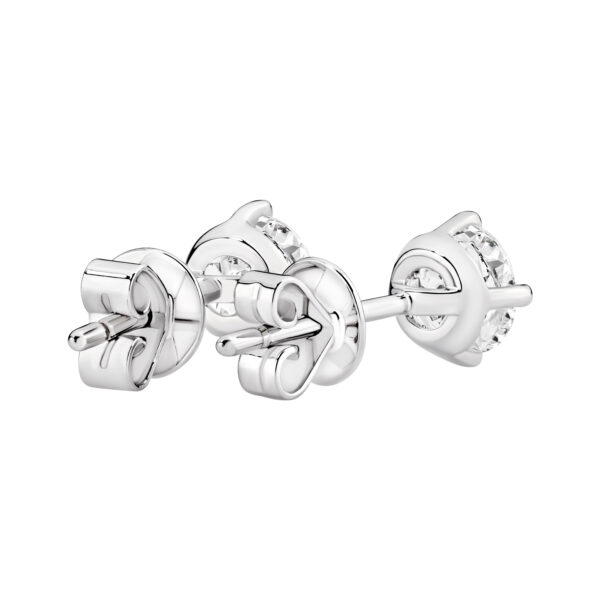
A centre stone for an engagement ring deserves a different buying strategy from diamond studs or an eternity ring. In a ring worn every day, balance is essential. You want beauty, durability and a setting that protects the stone well. For earrings, many buyers prioritize matched appearance and sparkle over very high clarity, since they are viewed from more distance.
For tennis bracelets and eternity rings, consistency across multiple stones is often more important than chasing top grades on paper. The overall impression matters most.
This is where bespoke guidance can make a meaningful difference. The ideal diamond is not only about technical quality. It is about choosing a stone that suits the final piece and the way it will be worn over time.
A practical way to set your budget
Rather than asking what a diamond should cost, ask where quality will matter most to you. If brilliance is your priority, allocate more towards cut. If finger coverage matters, consider a shape that looks larger for its weight. If you are choosing between natural and lab-grown, decide whether rarity or size is the stronger driver.
It also helps to set a complete jewellery budget, not just a diamond budget. Metal choice, setting style and custom craftsmanship all affect the final figure. An experienced jeweller should be able to show you sensible options within your range, explain the trade-offs clearly and help you avoid spending where it will not be seen.
The best diamond buying guide is still expert eyes
Online comparison has made buyers more informed, which is a good thing. But diamonds are not commodities in the purest sense. Small differences in cut precision, facet pattern, fluorescence, shape outline and overall light performance can have a major impact on beauty and value.
That is why the strongest buying decisions usually come from a combination of education and trusted guidance. When a diamond is being chosen for a proposal, wedding, anniversary or piece you plan to wear for decades, confidence matters just as much as specification.
Buy the diamond that looks right, feels right and has been selected with care – because the piece you remember years from now will not be the certificate, but how it looks every time it catches the light.