
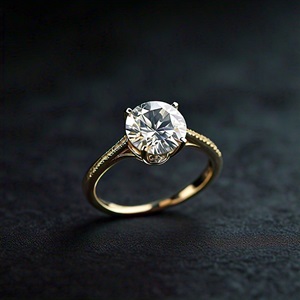

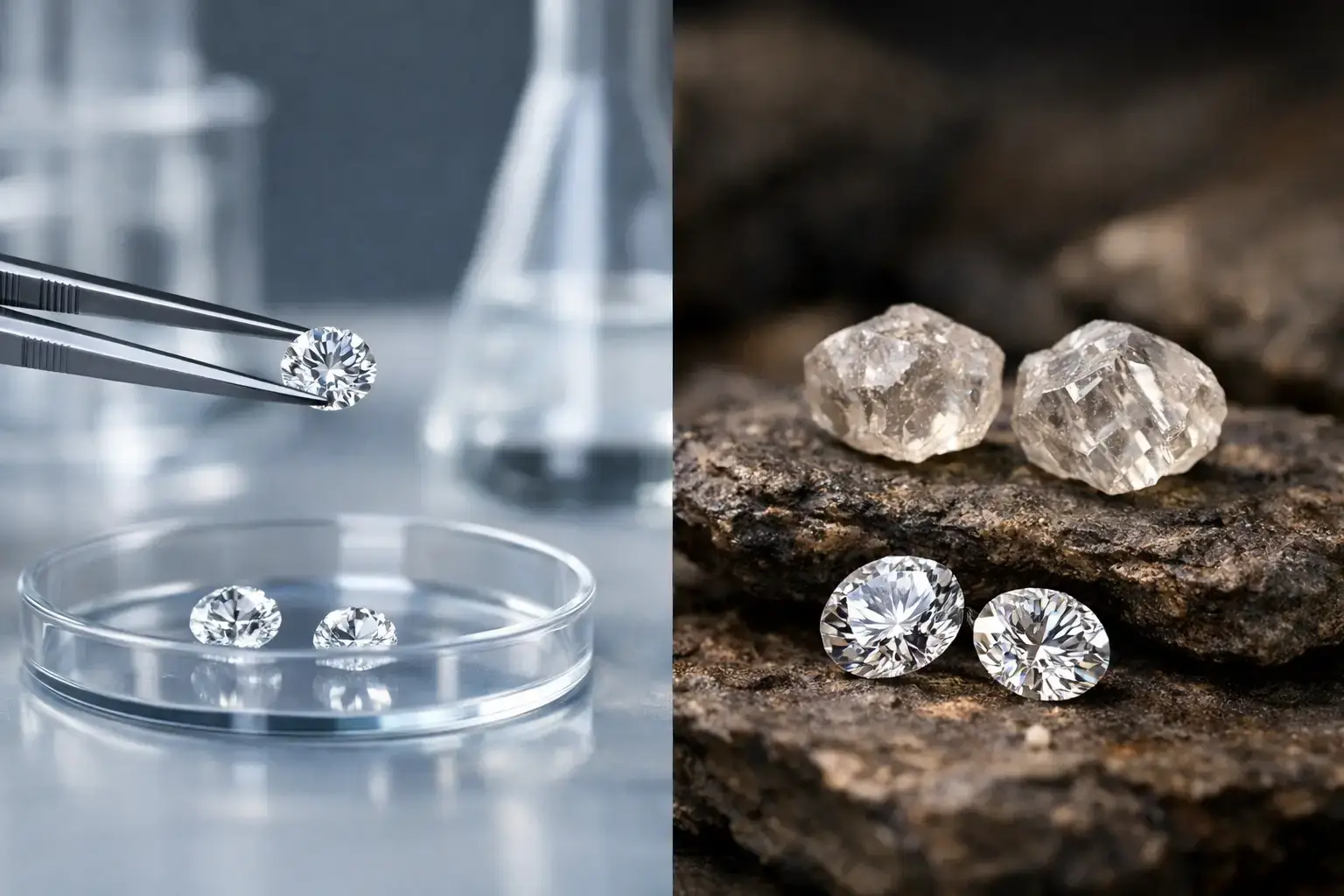
When you are choosing a diamond for an engagement ring, wedding band or milestone piece, the question of lab grown vs natural diamonds usually comes up early – and for good reason. On the surface, they can look identical. The real difference lies in origin, pricing, long-term sentiment and what matters most to you as the buyer.
For many clients, this is not a technical debate. It is a purchase tied to commitment, memory and wearability over many years. That is why the right answer is rarely about which diamond is “better” in absolute terms. It is about which one is right for your priorities, your budget and the way you want the piece to feel now and in the future.
Lab-grown vs natural diamonds: what is the actual difference?
Choosing between lab grown and natural diamonds is one of the first decisions buyers face when purchasing an engagement ring, wedding band, or fine jewellery piece. At a glance, they can look identical. The real differences come down to origin, price, long-term perception, and what matters most to you.
Both options are real diamonds. Both are graded using the same standards. The right choice is not about which one is objectively better, but which one aligns with your priorities, whether that’s size, rarity, budget, or meaning.
If you’re comparing lab grown vs natural diamonds, the key is to understand how they differ in practical terms, not just technical definitions.
What Is the Difference Between Lab-Grown and Natural Diamonds?
The main difference between lab-grown and natural diamonds is how they form.
A natural diamond develops underground over billions of years under extreme heat and pressure. A lab-grown diamond is created in a controlled environment using advanced technology that replicates these same conditions.
Despite their different origins, both are chemically, physically, and optically identical. They are graded using the same criteria:
- Cut
- Clarity
- Colour
- Carat
This means a well-cut lab-grown diamond and a well-cut natural diamond of similar grading will look the same to the naked eye. There is no simple visual test for most buyers to tell them apart.
Where they differ is in:
- Origin: Earth-formed vs laboratory-created
- Rarity: Finite vs produced on demand
- Market perception: Traditional luxury vs modern alternative
For most buyers, the decision comes down to whether they value natural rarity and long history, or prefer a more flexible, budget-driven option.
Lab Grown vs Natural Diamonds: Key Differences Explained
While appearance and composition are the same, the differences between lab grown and natural diamonds become clearer when you look at how they behave as a purchase.
Origin and Formation
Natural diamonds form over billions of years, making each stone part of a finite process. Lab grown diamonds are created in weeks using advanced technology, allowing consistent and scalable production.
Rarity and Supply
Natural diamonds are limited by nature, which contributes to their long-standing perception as rare and valuable. Lab grown diamonds can be produced on demand, which makes them more accessible but changes how they are viewed in the luxury market.
Visual Differences (or Lack of Them)
There is no visible difference between a lab grown and natural diamond of the same quality. What actually impacts how a diamond looks is not its origin, but how well it is cut.
A smaller, well-cut diamond will usually appear more brilliant than a larger stone with poor proportions, regardless of whether it is lab grown or natural.
Price Comparison: Lab Grown vs Natural Diamonds
Price is one of the biggest factors when choosing between lab grown and natural diamonds.
Lab grown diamonds are typically more affordable, which means you can often choose:
- A larger centre stone
- Higher clarity or colour
- A more detailed setting
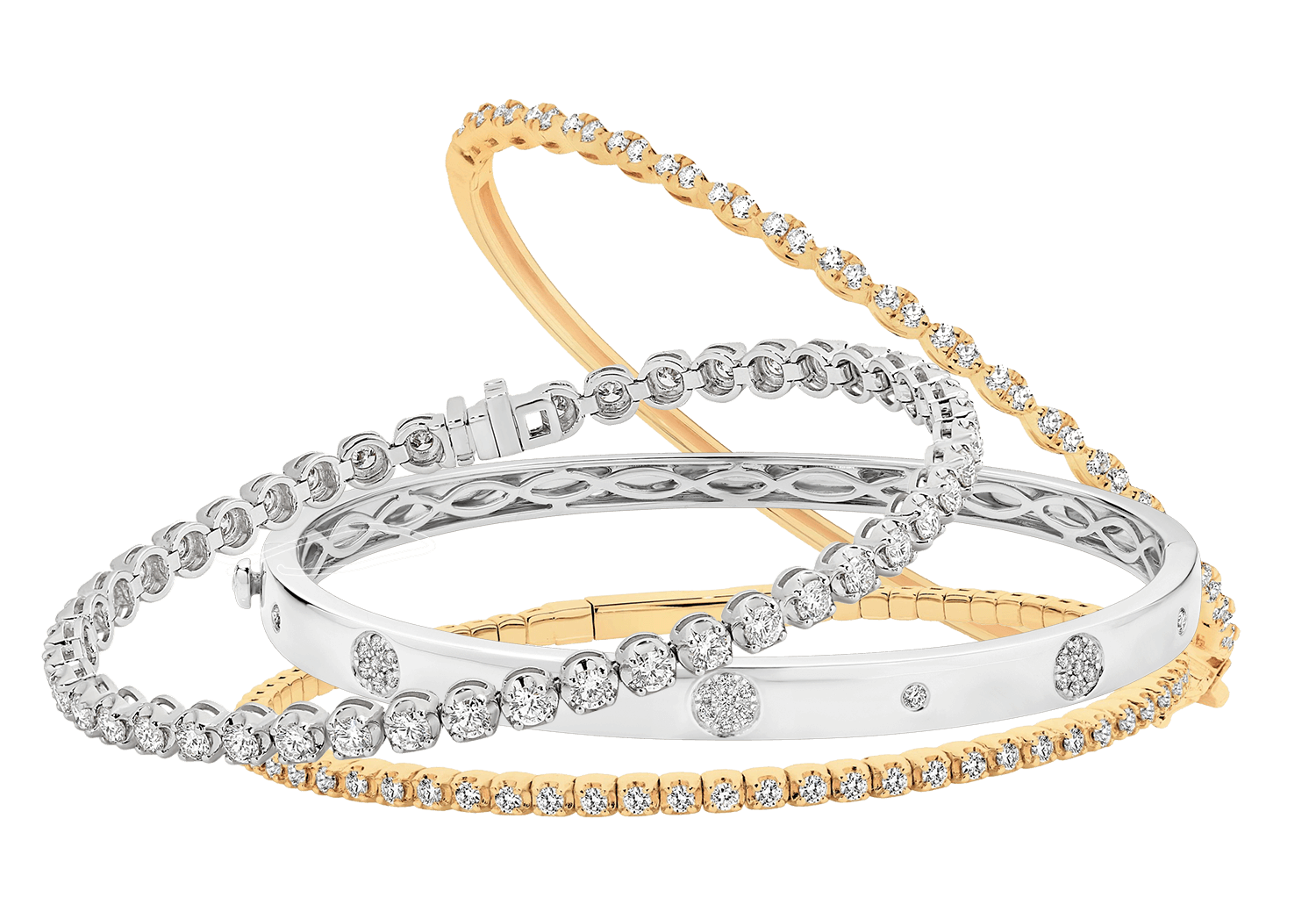
For buyers focused on visual impact, this can be a strong advantage. For example, upgrading the centre stone in an engagement ring or choosing a higher total carat weight in diamond earrings or tennis bracelets becomes more achievable.
Natural diamonds carry a higher price due to their rarity and established supply chain. For many buyers, that premium reflects tradition, long-term perception, and the appeal of owning something that has naturally evolved over time.
The key point is this: a lower price does not automatically mean better value. A smaller, well-cut natural diamond can sometimes deliver a more refined overall look than simply choosing the largest possible lab grown stone.
Which Diamond Looks Better? Cut, Brilliance and Size
If you’re asking which diamond looks better, the answer is simple: cut matters more than origin.
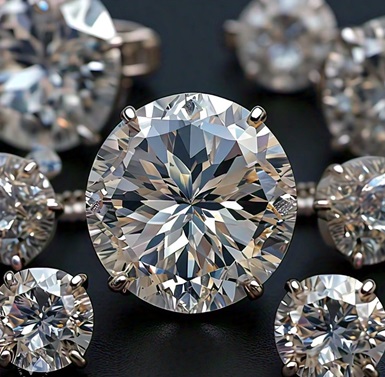
Both lab grown and natural diamonds can look exceptional when well cut. The sparkle, fire, and brilliance you see come from how the diamond handles light, not whether it was created in the earth or a lab.
This is especially important when selecting:
- Engagement rings (where the centre stone is the focus)
- Solitaire designs
- Statement pieces
A well-proportioned diamond with a strong cut will:
- Reflect light evenly
- Appear more lively
- Often look more premium, even at a smaller size
It’s easy to get drawn to carat weight, but visual performance is what people actually notice first.
Are Lab Grown and Natural Diamonds Durable for Everyday Wear?
Yes, both lab grown and natural diamonds are equally durable.
They rank the same on hardness, making them suitable for everyday jewellery, including:
- Rings worn daily
- Diamond earrings
- Pendants and necklaces
- Tennis bracelets
When properly selected and set, both options are highly resistant to scratching and wear.
In practical terms, durability should not be a deciding factor between the two. Instead, focus on cut quality, setting design, and how the piece fits your lifestyle.
Value and Resale: What Should You Expect Long Term?
Diamonds are often misunderstood as financial investments. In reality, they are best viewed as emotional and wearable purchases first.
That said, there are differences in market behaviour:
- Natural diamonds
- Long-established resale market
- Perceived rarity supports long-term value stability
- Lab grown diamonds
- Prices have shifted as production has increased
- Resale expectations are typically lower
For buyers considering heirloom pieces or long-term legacy, natural diamonds may feel more aligned with those goals.
For others, resale is not the priority. The focus is on how the diamond looks, feels, and fits into their life today.
Emotional Value: Why Your Choice Is Not Just Technical
Choosing a diamond is rarely just about specifications.
Some buyers are drawn to natural diamonds because of their origin. The idea that the stone formed over billions of years becomes part of the story of the piece.
Others prefer lab grown diamonds because they offer:
- Greater flexibility within the budget
- A modern, practical approach
- Strong visual results without overextending financially
Neither perspective is more “correct.” What matters is how the piece feels when you imagine wearing it long term.
Which Diamond Is Right for You?
The right choice depends on what you prioritise.
Best for Engagement Rings
If you want maximum size or a higher specification within a set budget, lab grown diamonds can offer more flexibility, especially for centre stones.
If you prefer tradition, rarity, and long-term symbolism, natural diamonds may suit a classic engagement ring better.
Best for Budget-Conscious Buyers
Lab grown diamonds allow you to:
- Increase carat size
- Improve clarity and colour
- Allocate budget to design or craftsmanship
This is especially useful across categories like earrings, bracelets, and multi-stone pieces.
Best for Heirloom or Timeless Jewellery
Natural diamonds are often preferred for:
- Classic solitaire rings
- Anniversary pieces
- Jewellery intended to be passed down
Their rarity and long-standing market presence contribute to that appeal.
Lab Grown vs Natural Diamonds in Custom Jewellery Design
When designing a custom piece, the choice of diamond influences more than just the stone.
A larger lab grown diamond may allow for:
- Bolder centre-focused designs
- More intricate settings
- Greater overall presence
A natural diamond may lead to:
- More understated, refined designs
- Emphasis on craftsmanship and proportion
- A stronger focus on the story behind the stone
If you’re creating a bespoke piece, it’s worth exploring how your diamond choice affects the overall balance of the design, not just the specifications.
What to Ask Before Buying a Diamond
Before making a final decision, focus on how the diamond performs in real conditions.
Ask:
- Is the cut strong enough to maximise brilliance?
- Are inclusions visible to the naked eye?
- Does the diamond suit the intended setting?
- Does it match what I actually want visually?
If possible, compare options side by side. The differences are often clearer in person than on paper.
[…] Lab-grown diamonds appeal to buyers who want more size or higher specifications for the same spend. They can be an excellent option if visual impact is the priority, particularly for earrings, tennis bracelets or larger centre stones. […]
[…] engagement ring trends 2026 is not visual at all. It is valuable. Buyers are increasingly comparing natural and lab-grown diamonds with a more informed mindset, and rightly […]